Strength training exercises

196 English technique guides: step-by-step execution, key points, common mistakes and coaching cues.

How to use this exercise library

Each exercise page details the full execution technique: starting position, concentric and eccentric phases, key cues, common mistakes. Every exercise also lists 2–4 biomechanical alternatives via BioSwitch: substitutions that target the same muscle with an equivalent movement pattern.

Exercises are grouped by primary muscle. Click any exercise to open its full page with step-by-step instructions, target muscles and biomechanical alternatives.

For a structured program integrating these exercises with planned progression and automatic weekly RPE-driven adaptation, see ForgeSport programs.

Chest
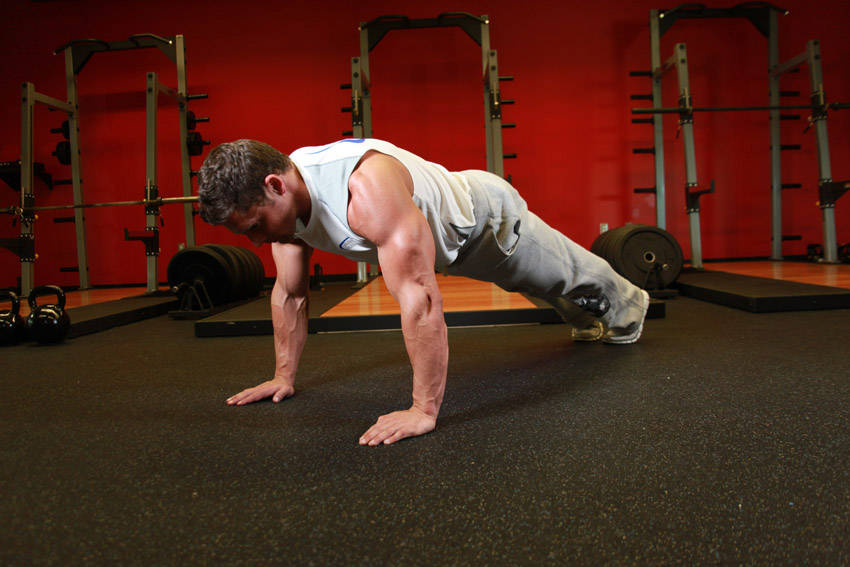
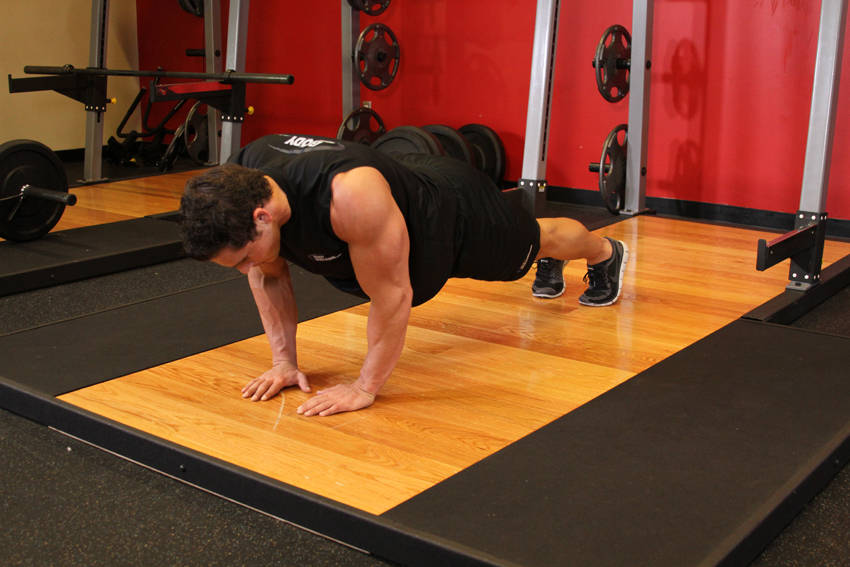
Archer Push-ups
Advanced unilateral push-up that isolates the pecs by shifting weight onto one bent arm while the other stays extended. Builds strength and stability.
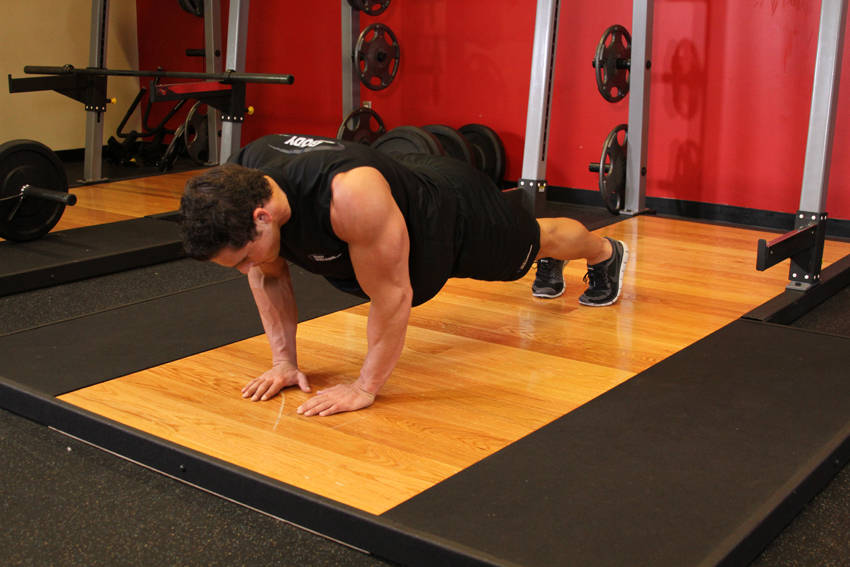
Archer Push-ups
Progression toward the one-arm push-up. Maximum load on the active side.
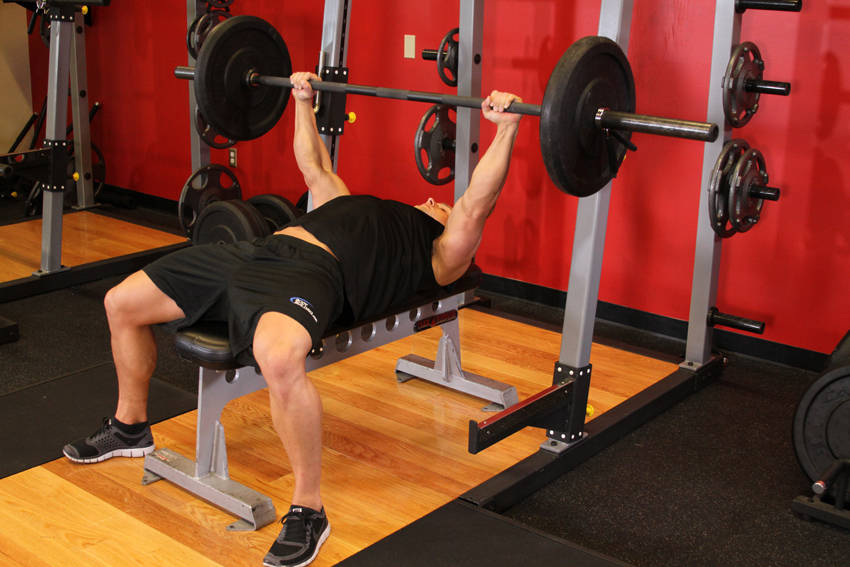
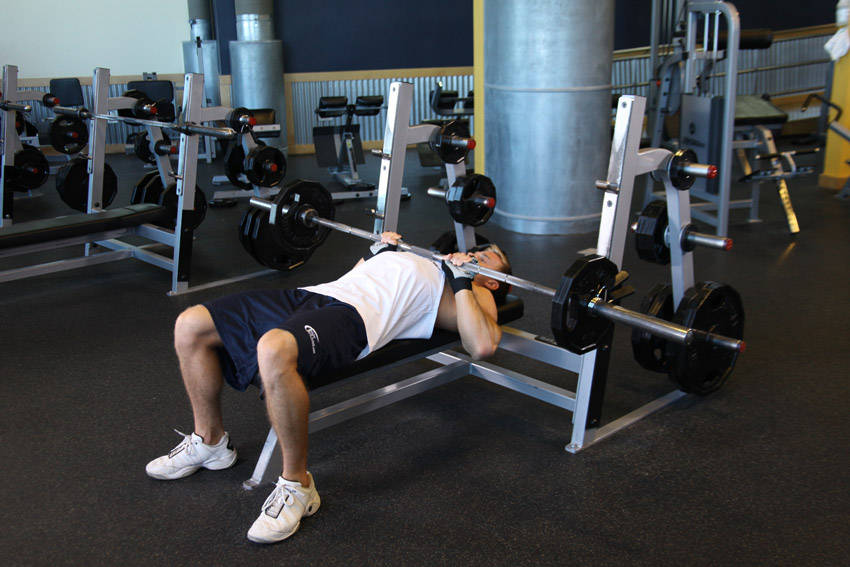
Barbell Bench Press
King of upper-body movements. Builds chest, triceps and front delts.
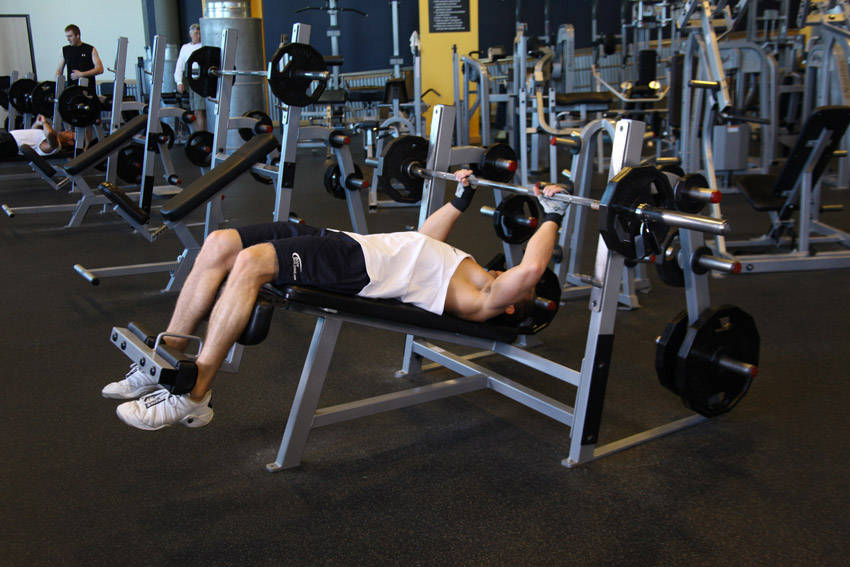
Barbell Decline Press
Bench press variant on a decline bench. Heavily targets the lower chest while reducing shoulder involvement.
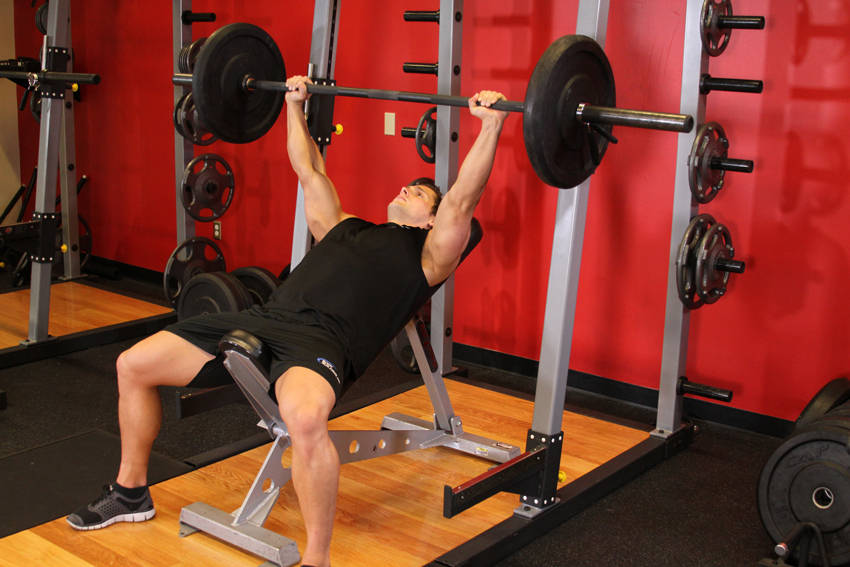
Barbell Incline Press
You press the bar from your upper chest on an incline bench. This exercise targets your upper chest and front delts.
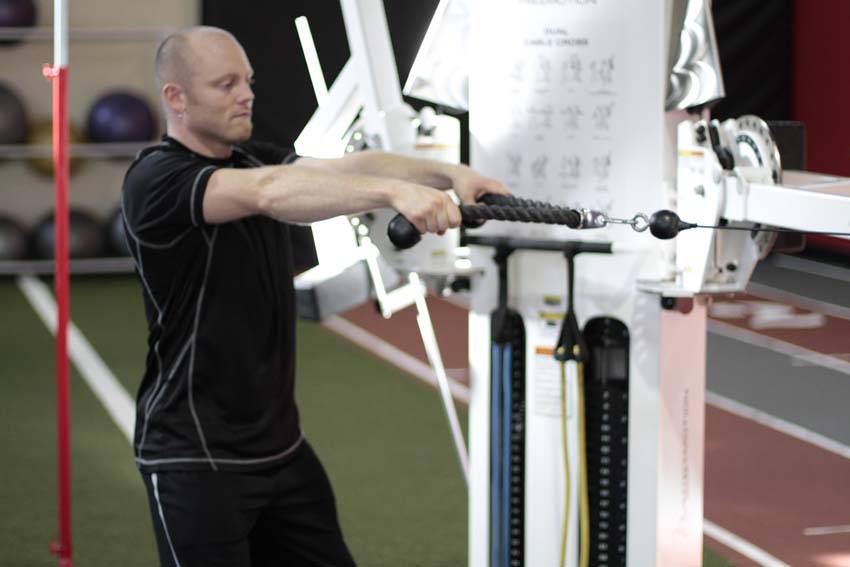
Cable Crossover
Chest isolation with constant tension: cables keep the contraction across the full range, best pick for mind-muscle connection.
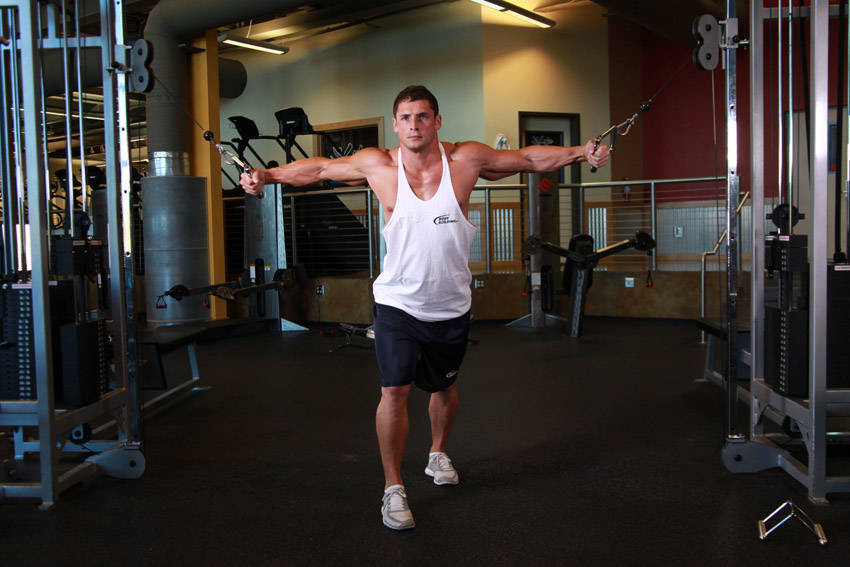
Cable Fly
The cable fly is an excellent isolation exercise for the pecs. It provides constant tension and a deep stretch throughout the movement.
Cable Low Fly
Targeted upper-chest isolation (clavicular head): low-to-high angle recruits upper pec fibers better than flat flies.
Chest Press Machine
Machine chest press. Safe and accessible, ideal for seniors and comebacks.
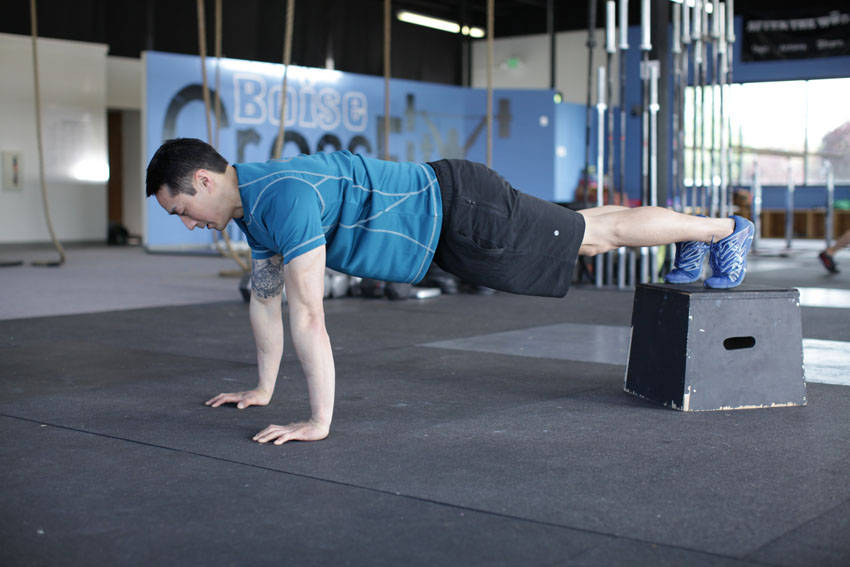
Decline Push-ups
Feet-elevated push-ups. Targets the upper chest and increases difficulty.
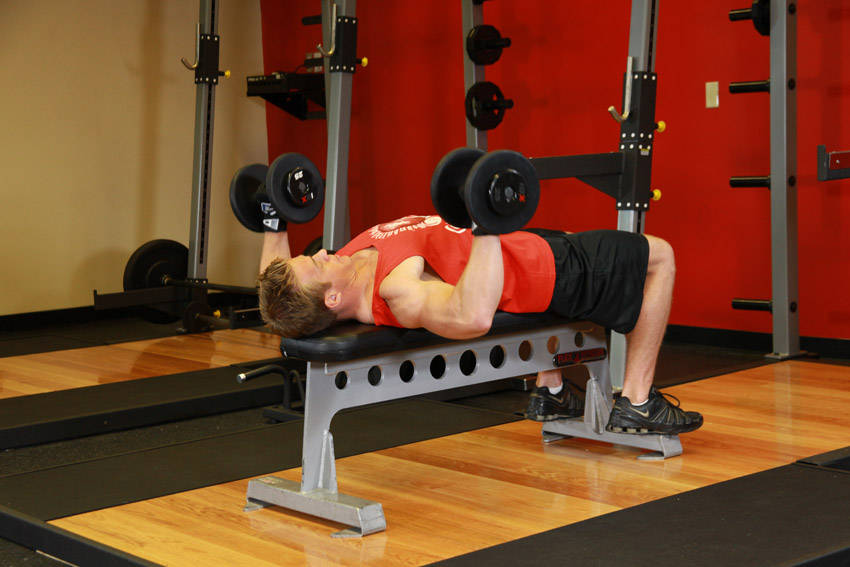
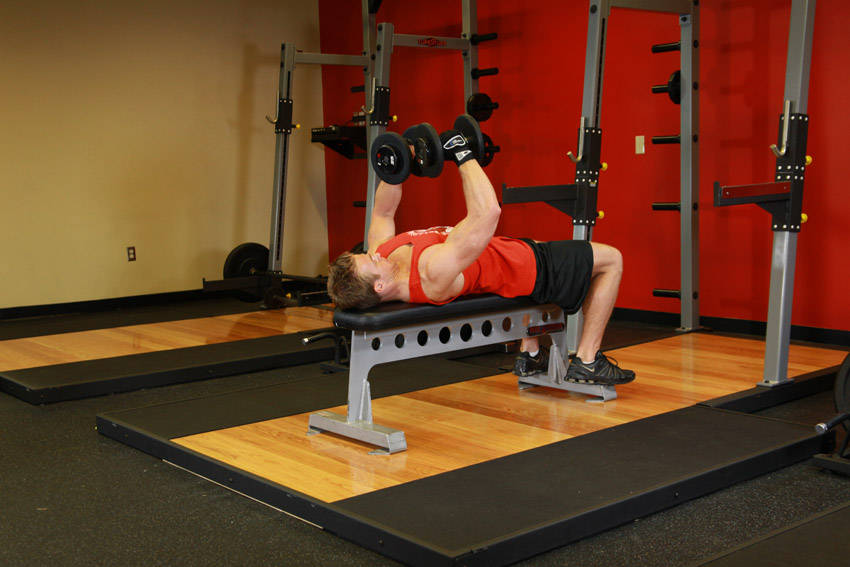
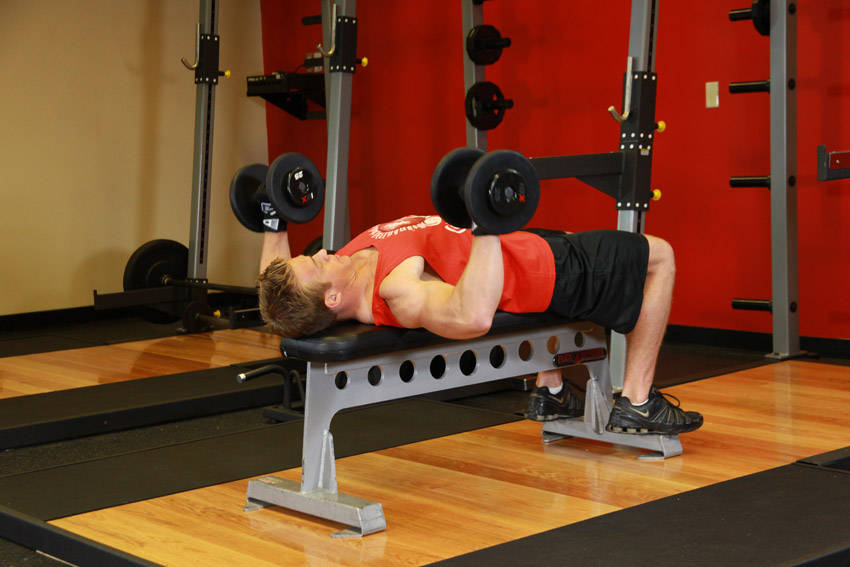
Dumbbell Bench Press
Dumbbell variant of the bench press. More range of motion and stabilization work than a barbell.
Dumbbell Fly
The dumbbell fly isolates the pecs in a maximum stretch. It's the perfect complement to the press for optimal chest pump.
Hindu Push-ups
Push-ups in a yoga flow. Shoulder mobility and dynamic chest-shoulder work.
Incline Barbell Bench Press
Targets the clavicular head of the pecs. Recruits the front delts more heavily.
Incline Dumbbell Fly
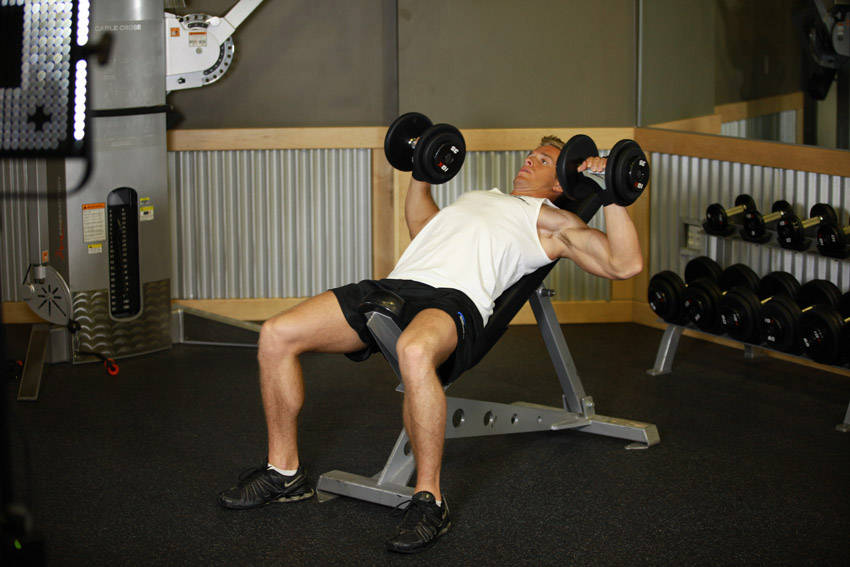
Incline fly to isolate the clavicular head. Complements the incline press.
Incline Dumbbell Press
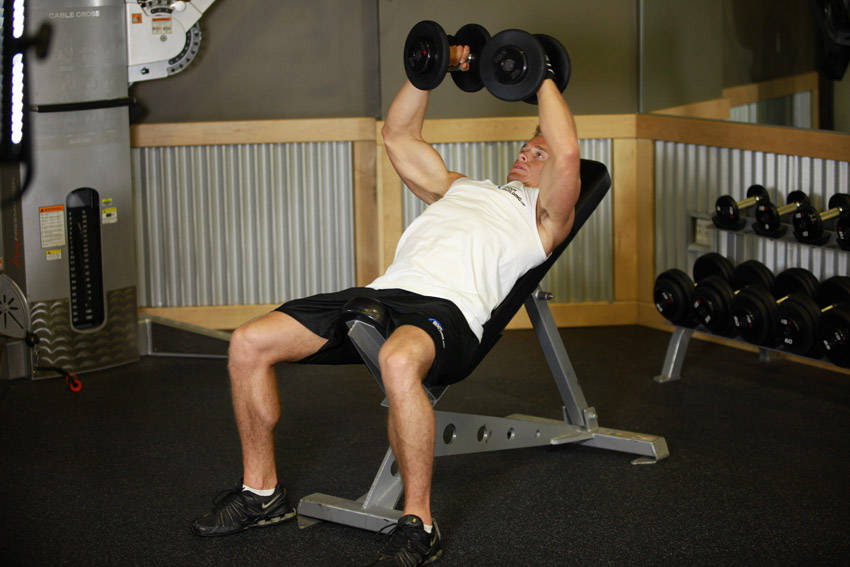
Upper chest emphasis. Incline variant with full dumbbell range of motion.
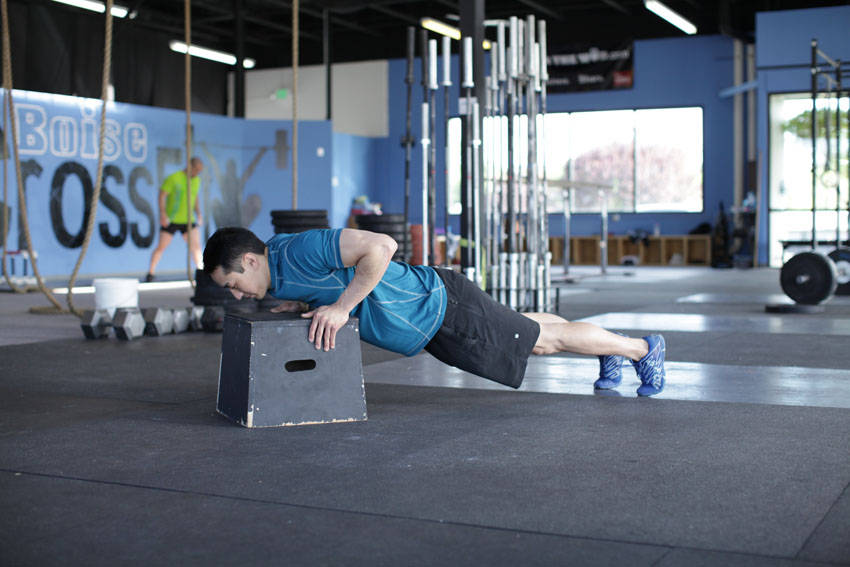
Incline Push-ups
Beginner-friendly push-ups. Regressiveness controlled by the incline angle.
Paused Bench Press
Powerlifting variant: reproduces the competition rule (bar on chest, pause). Strengthens the start of the press.
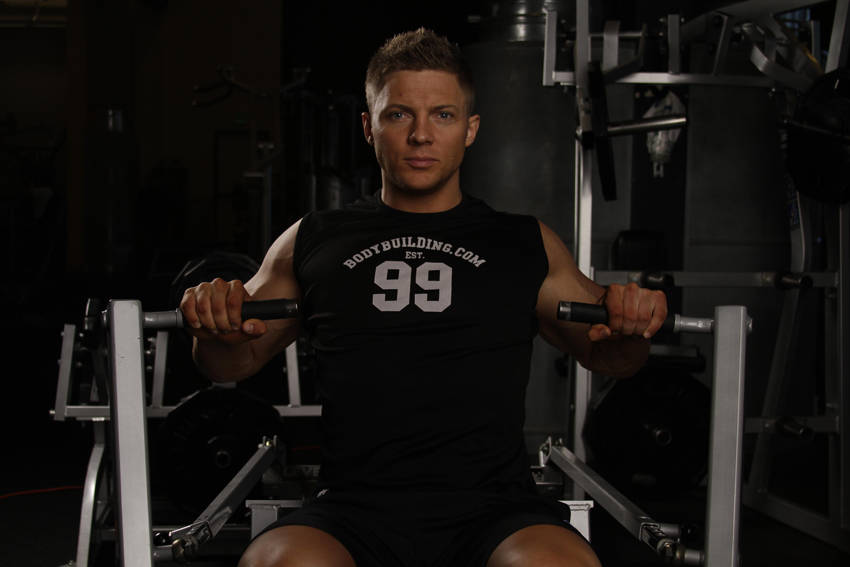
Pec Deck Machine
Simplest and safest chest isolation: ideal for beginners and hypertrophy finishers. Minimal joint stress.
Plyometric Push-Ups
Explosive push-ups with hands leaving the ground. Builds chest power.
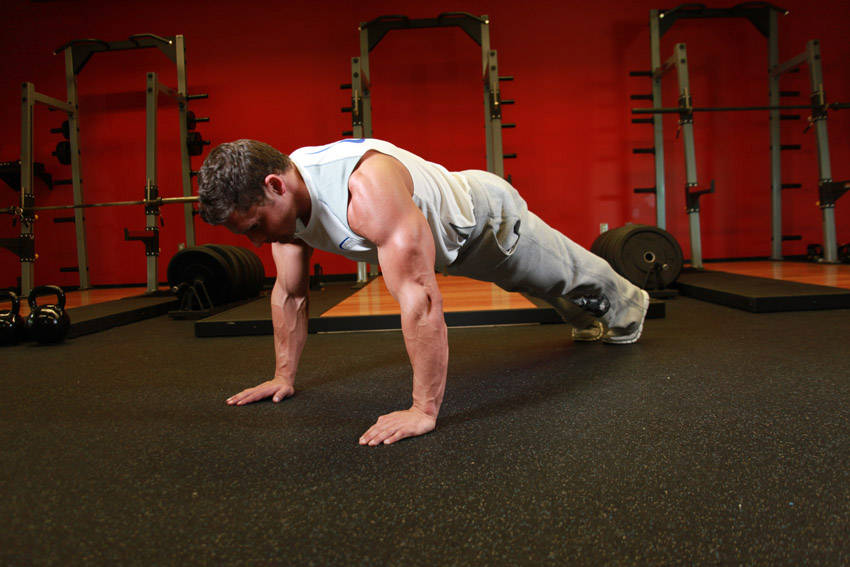
Push-ups
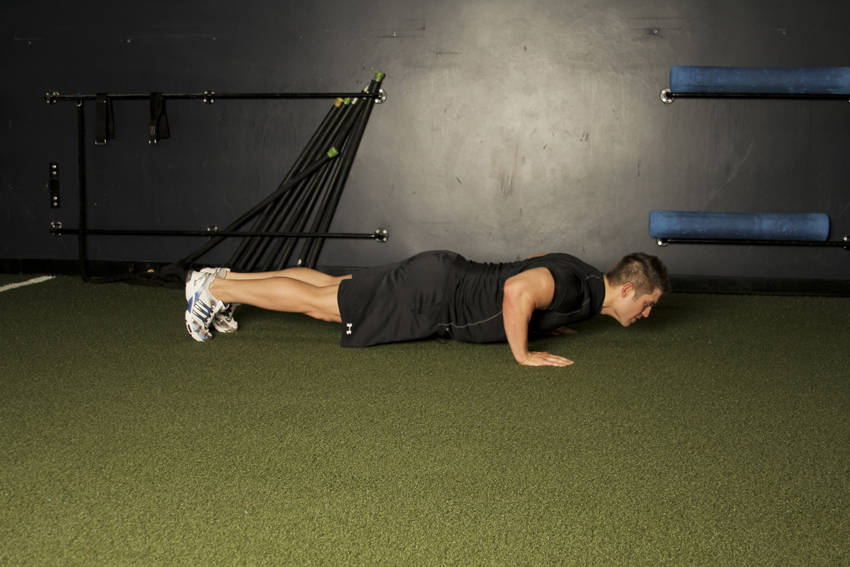
Fundamental bodyweight movement. Builds chest, triceps and core bracing.
Single-Arm Floor Press
Unilateral dumbbell floor press. Reduces shoulder ROM, anti-asymmetry.

Back
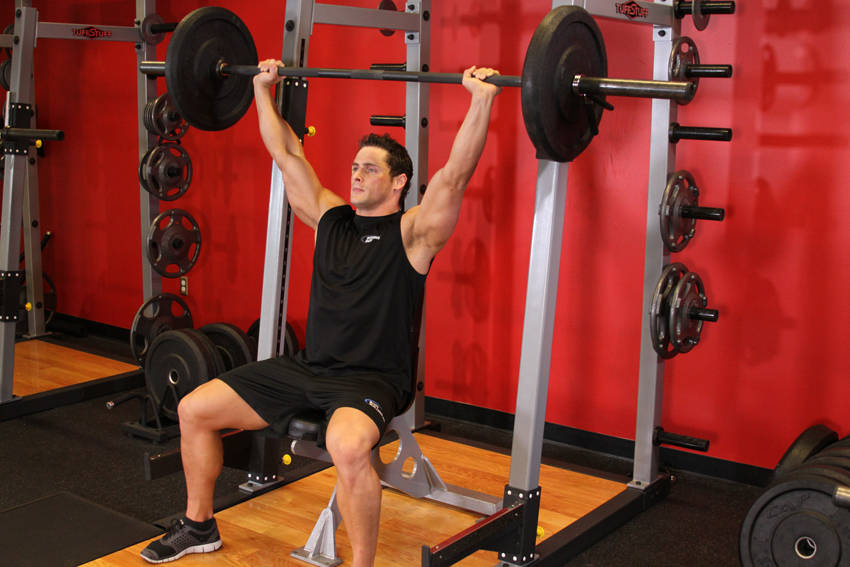
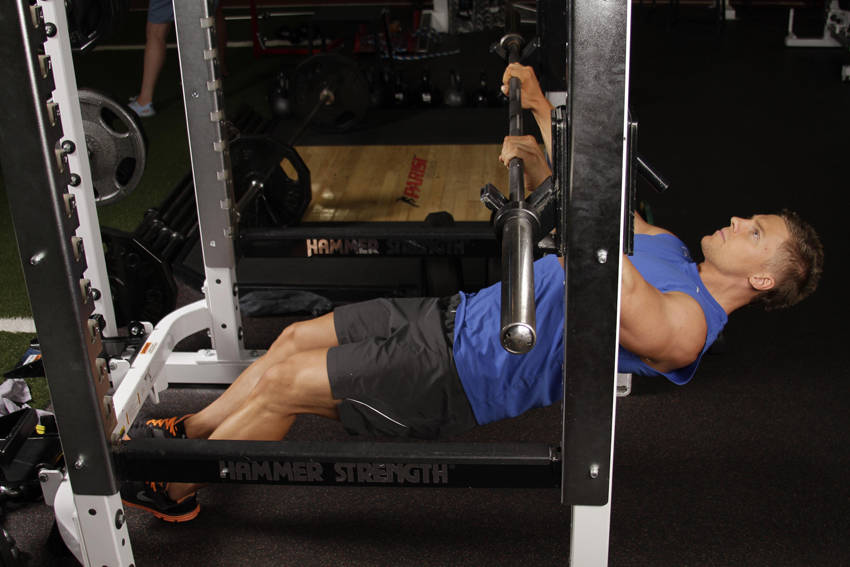
Australian Pull-ups
Bodyweight row under a bar. Prep work for standard pull-ups.
Band Bent-Over Row
Row with a band anchored under the feet. Equivalent to the barbell row with progressive load. Perfect for training without heavy equipment.
Band Lat Pulldown
Band lat pulldown. Direct alternative to the high cable for home training. Recruits lats, rhomboids and biceps.
Behind-the-neck Lat Pulldown
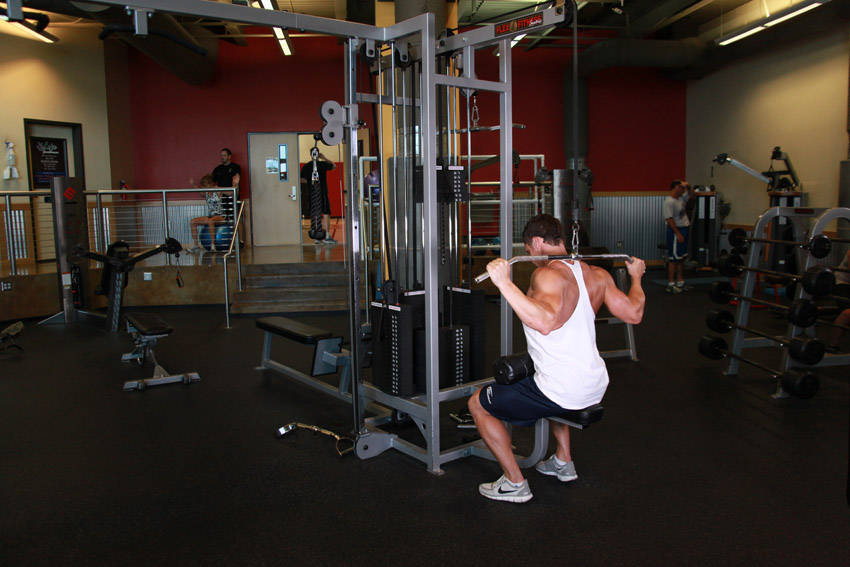
You pull a bar toward the back of your neck on the cable to hammer the back. A classic for lat width — handle with care.
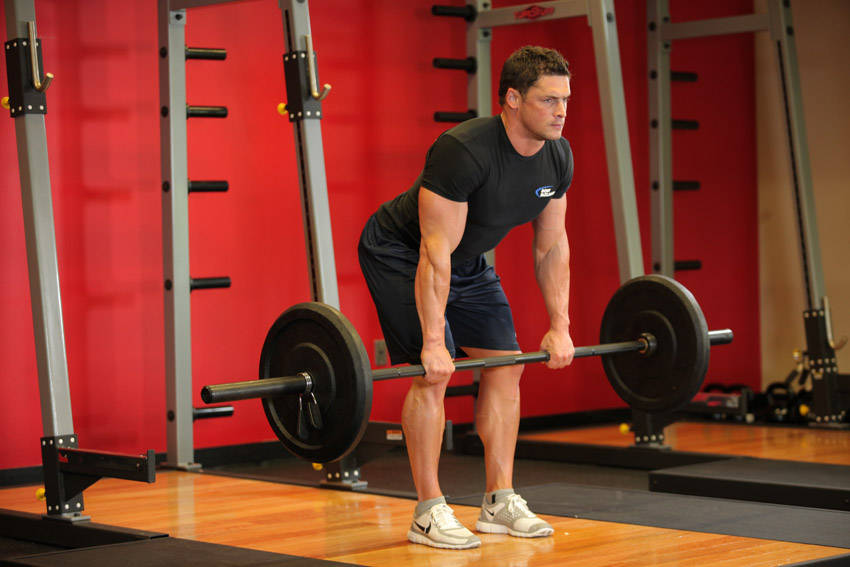
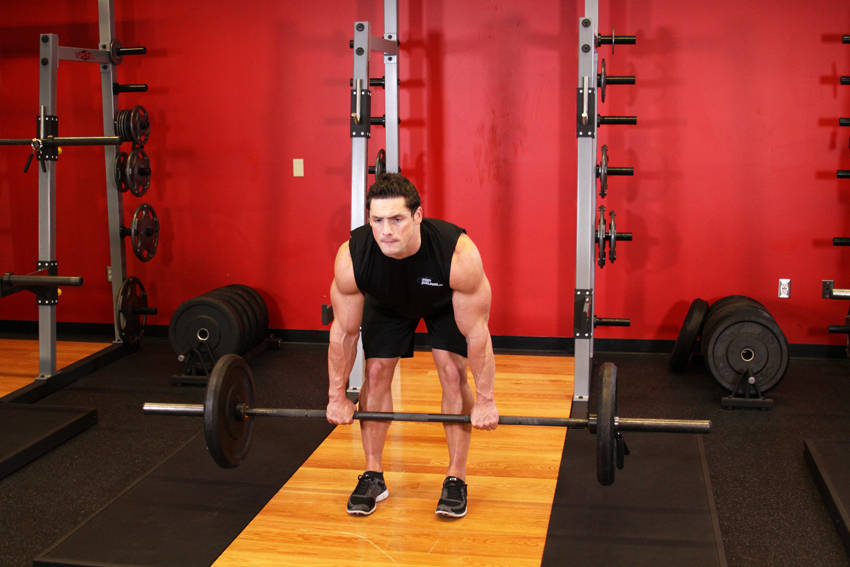
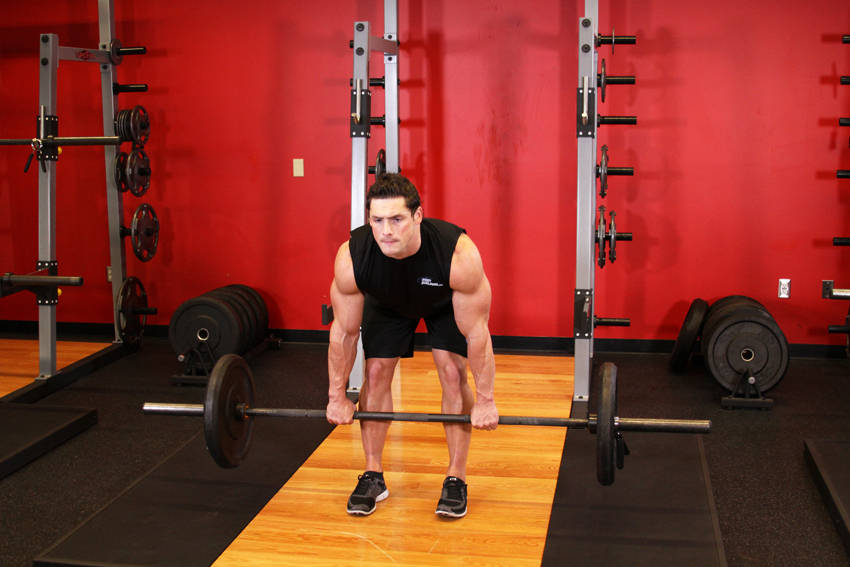
Bent-Over Barbell Row
Heavy horizontal pull that heavily builds the back and pulling arms.
Bird-Dog
All-fours back stabilization by extending opposite arm and leg. Strengthens deep spinal stabilizers and improves balance. Recommended by physios to prevent low-back pain.
Cable Single-Arm Row
Unilateral row with constant tension: corrects side-to-side asymmetries and extends the range of motion for hypertrophy.
Chest-Supported Row
Safest row for the lower back: chest-supported, zero spinal stress. Great for intermediates and rehab.
Dead Hang
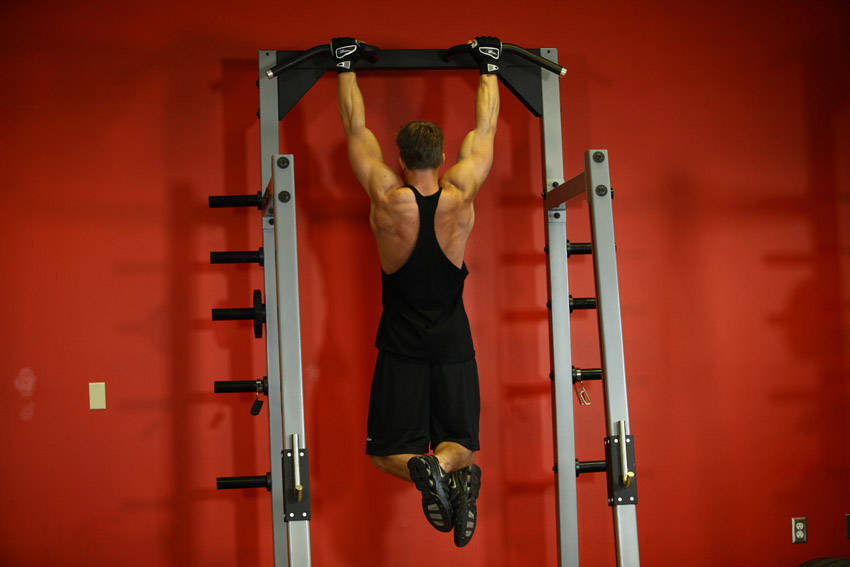
Hang from the bar with straight arms and a relaxed body. This isometric exercise decompresses the spine while building grip strength.
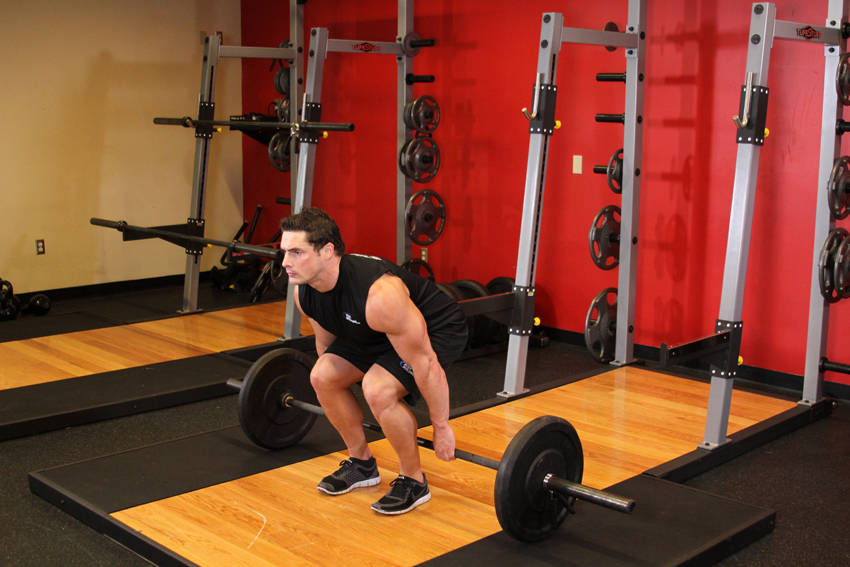
Deficit Deadlift
Powerlifting variant: strengthens the first third of the pull. Improves speed off the floor.
Front Lever
Own your bodyweight in a horizontal hang facing the bar. The ultimate isometric for back strength and stabilizers.
Front Lever Hold
You hold your body horizontal, facing the floor, arms straight. One of the hardest moves in street workout, building exceptional back and shoulder strength.
Heavy Sled Pull
Hyrox standard: 103 kg men / 78 kg women over 50 m. Strength-endurance of the posterior chain in a horizontal pull.
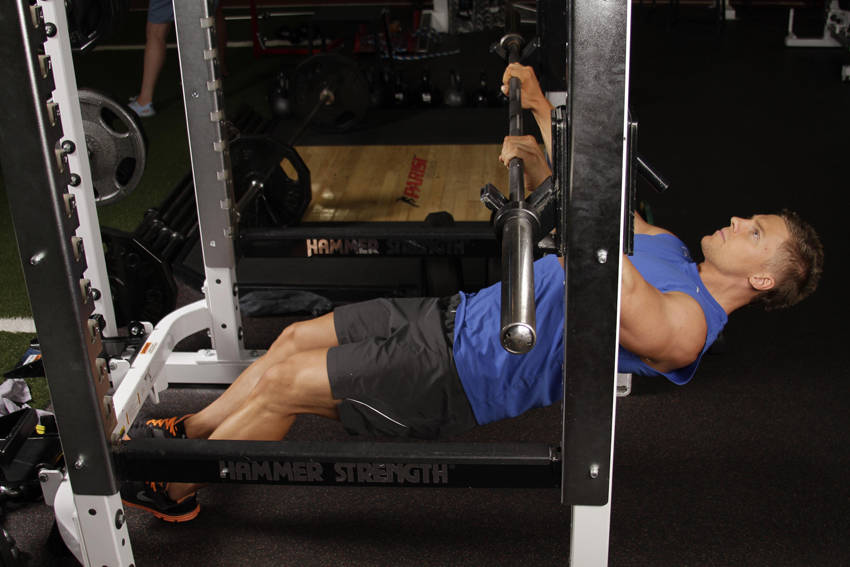
Inverted Row
The inverted row is a horizontal pull that builds your back and arms. Ideal work before progressing to classic pull-ups.
Landmine Row (Meadows Row)
Unilateral row popularized by John Meadows: excellent lat activation with no lower-back stress.
Low Pulley Single-Arm Row
Unilateral low-cable row. Constant tension for back thickness.
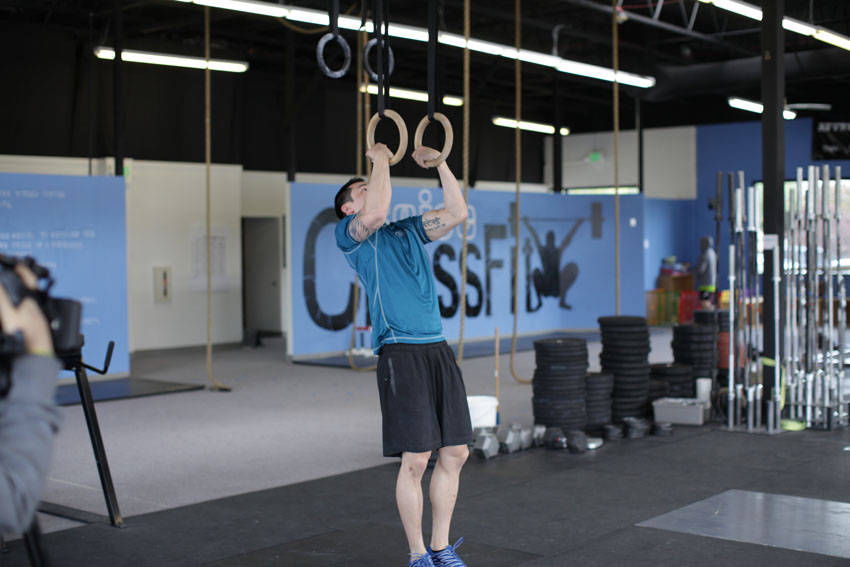
Muscle-up
The muscle-up is the elite bodyweight movement: an explosive pull-up combined with a dip to clear the bar. Builds exceptional power and strength.
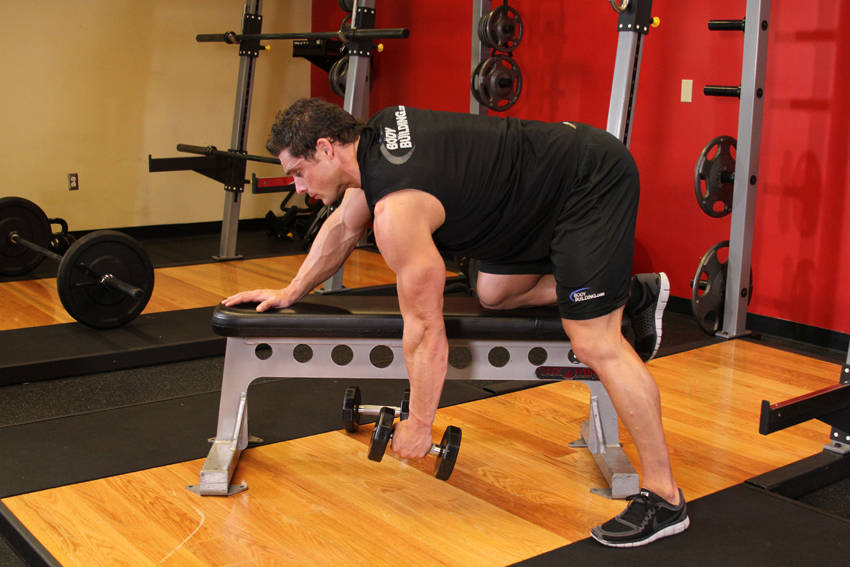
One-Arm Dumbbell Row
Unilateral row to isolate each side of the back. Effective anti-asymmetry work.
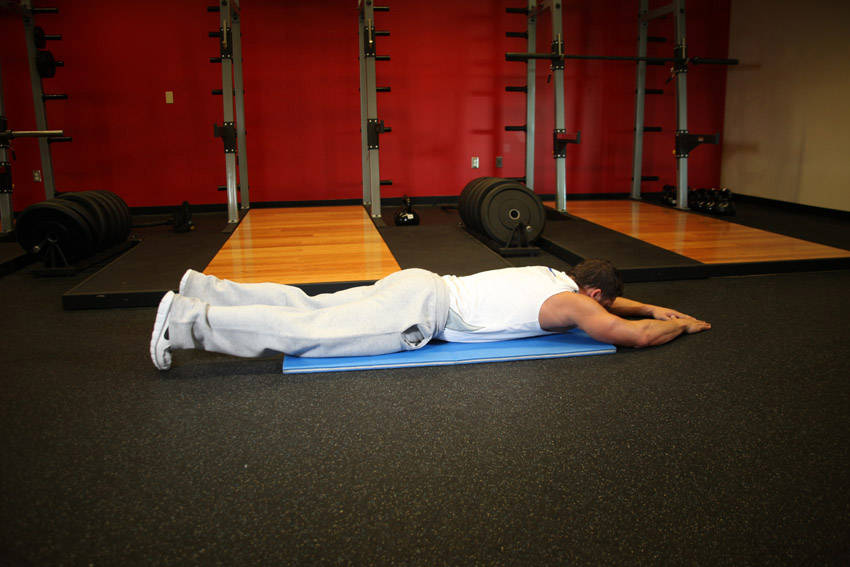
Prone Back Extension
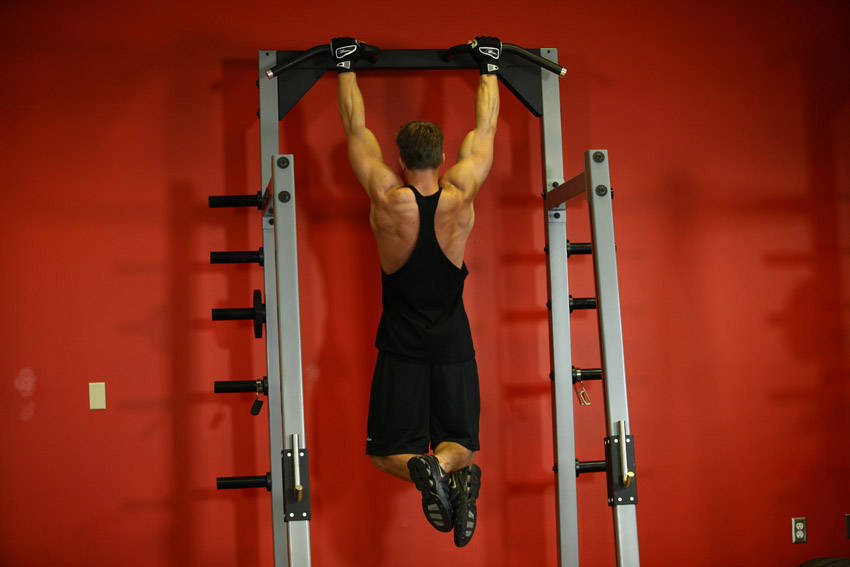
Back extensor strengthening — an accessible version of the Superman. Lift only the torso while staying prone. Ideal for starting back work after 50.
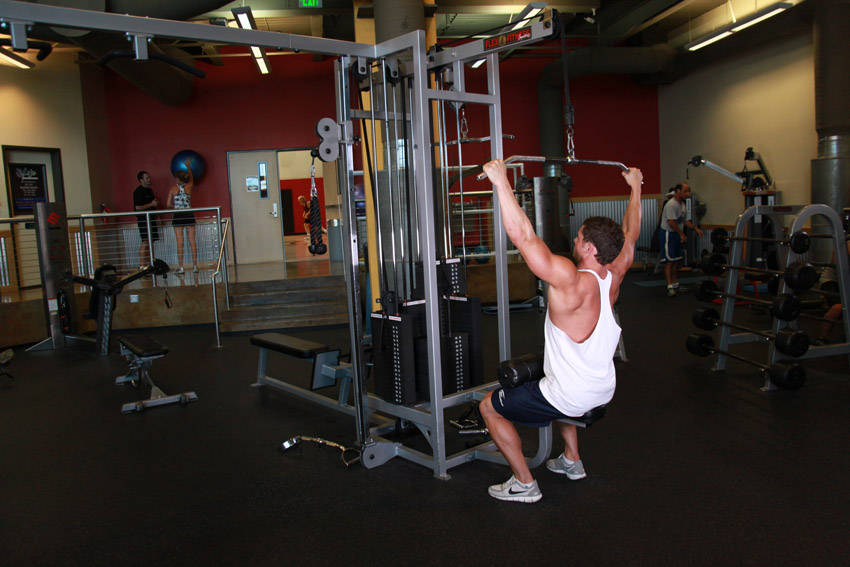
Prone Y-Raises
Mid-back strengthening (lower traps) and rear shoulders. Prone with arms raised in a Y. Ideal for correcting rounded posture with no equipment.
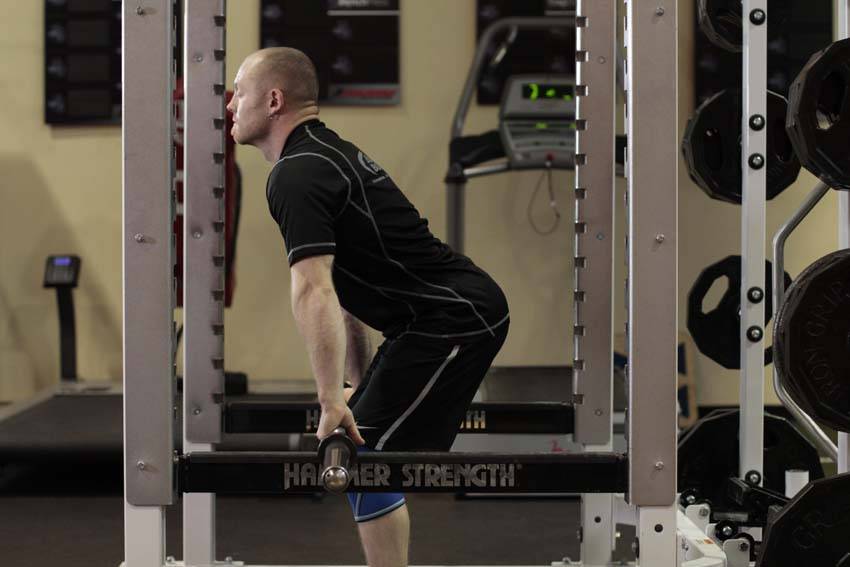
Rack Pull
Partial deadlift from a rack. Builds lockout strength.
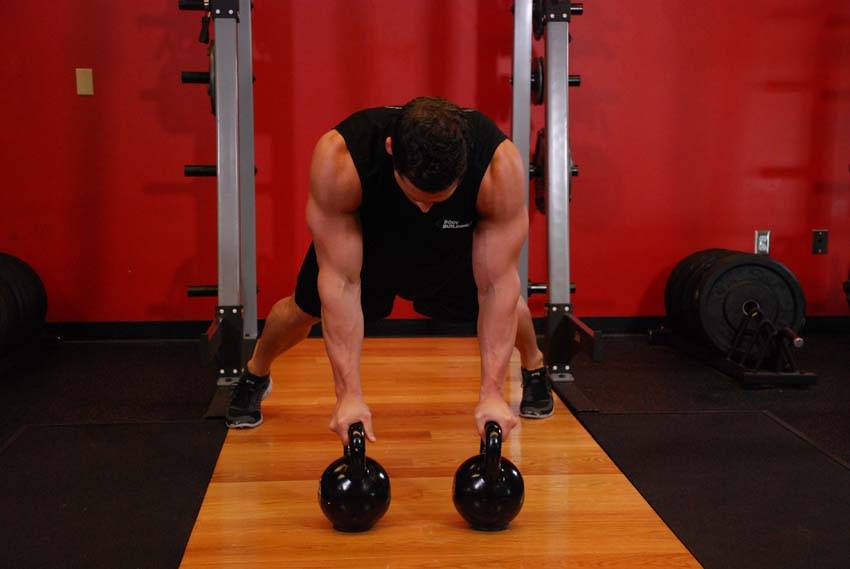
Renegade Row
Row in a plank. Back + anti-rotation core. Advanced.
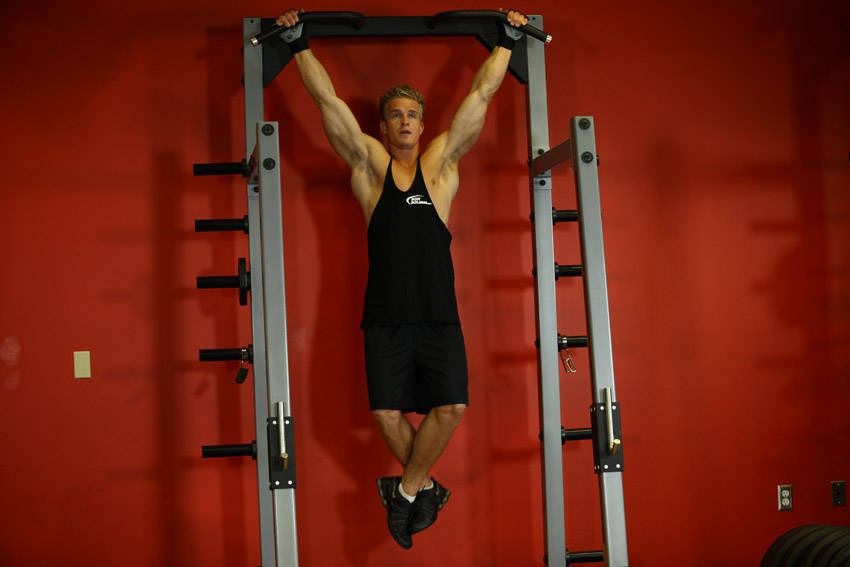
Ring Rows
Row on rings. More stabilization work than a barbell — full back recruitment.
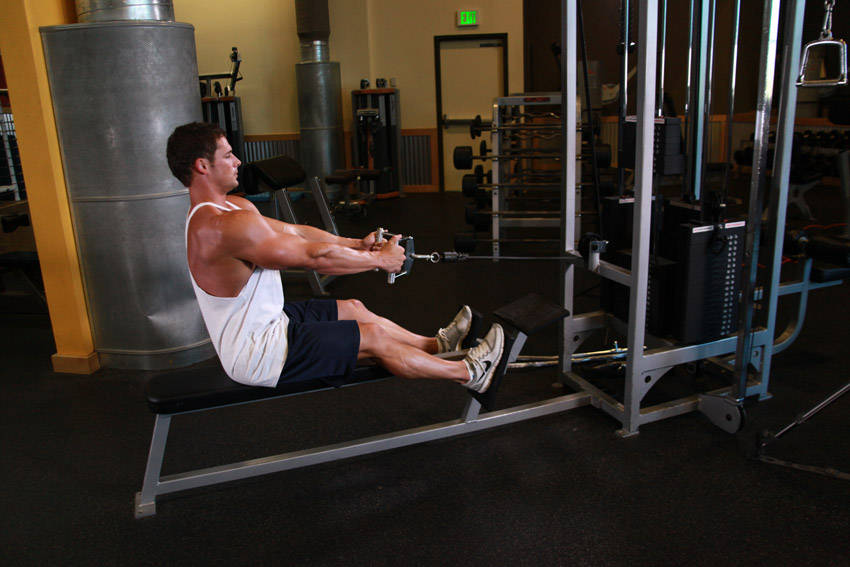
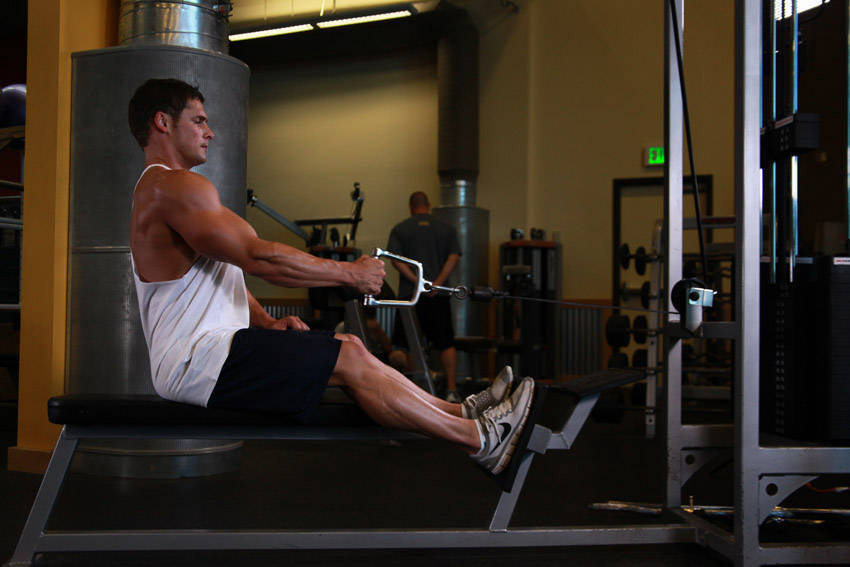
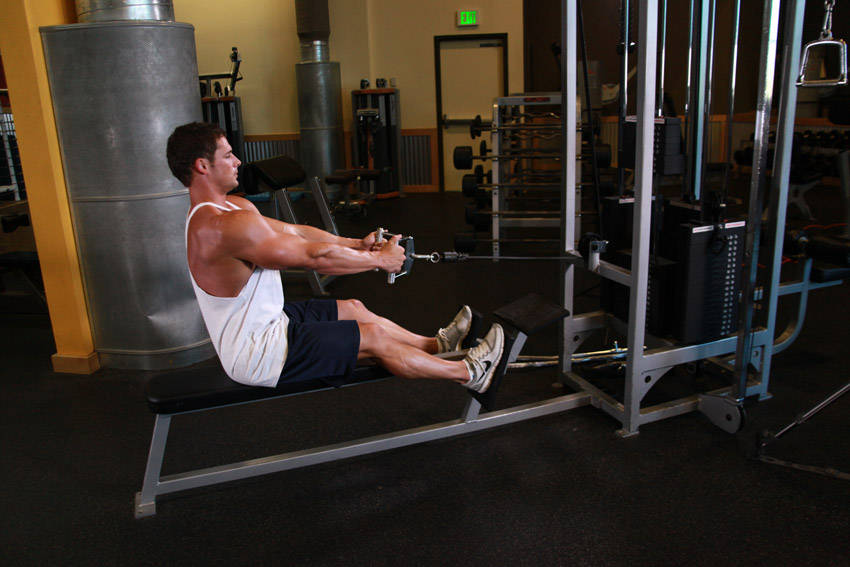
Seated Cable Row
Seated cable row. Safe for the low back, constant tension.
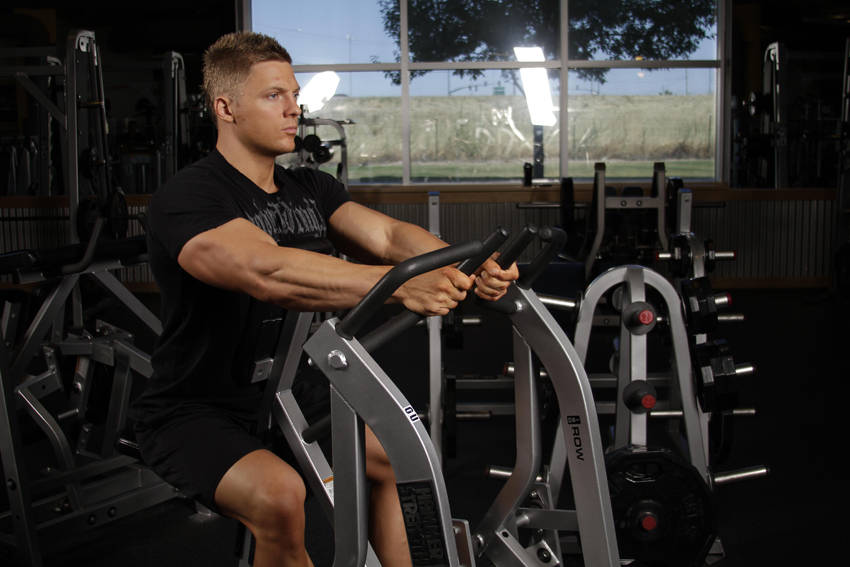
Seated Row Machine
Guided machine row. Safe for the back, accessible for comebacks and seniors.
Single-Arm Lat Pulldown
Unilateral lat pulldown. Corrects lateral imbalances and maximizes range of motion.
Ski Erg Intervals
Hyrox standard: 1000 m. Upper-body cardio-strength focused on back / shoulders / triceps.
Superman
Low-back and posterior strengthening with no load. Excellent for back health.
T-bar Row
The T-bar row is an excellent horizontal pull to build back thickness. It provides optimal stability for heavy loading.
Wall Slide
Rhomboid strengthening and posture correction: back and arms against a wall. Ideal standing for seniors. No equipment needed.
Weighted Pull-ups
Add weight to your pull-ups to keep progressing. This advanced exercise intensely builds back strength and muscle.
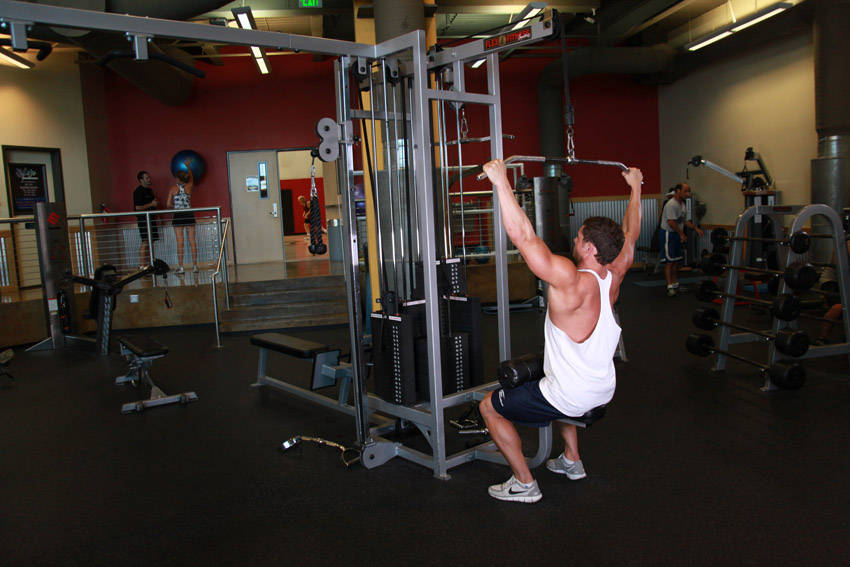
Wide-Grip Lat Pulldown
Cable lat pulldown. Back width, accessible at any level.
Wide-Grip Pull-ups
Reference bodyweight vertical pull. Builds a wide, powerful back.

Shoulders
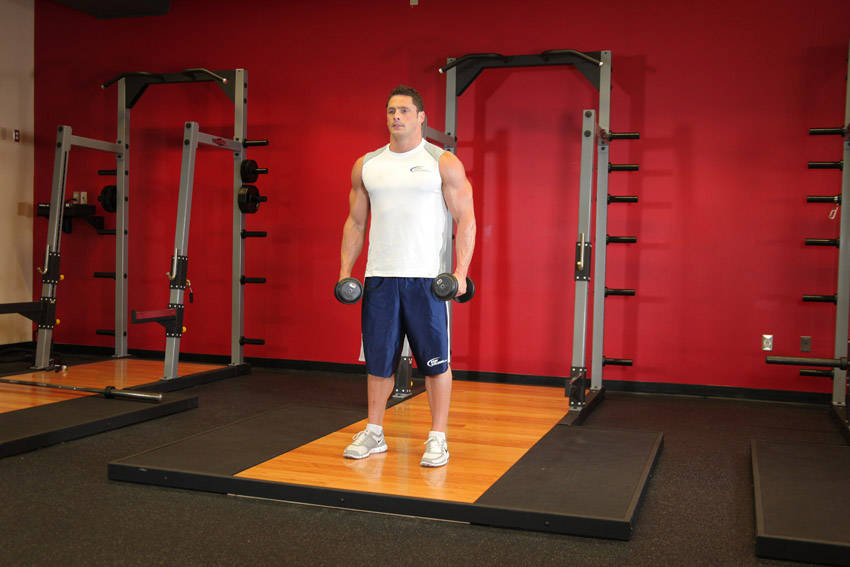
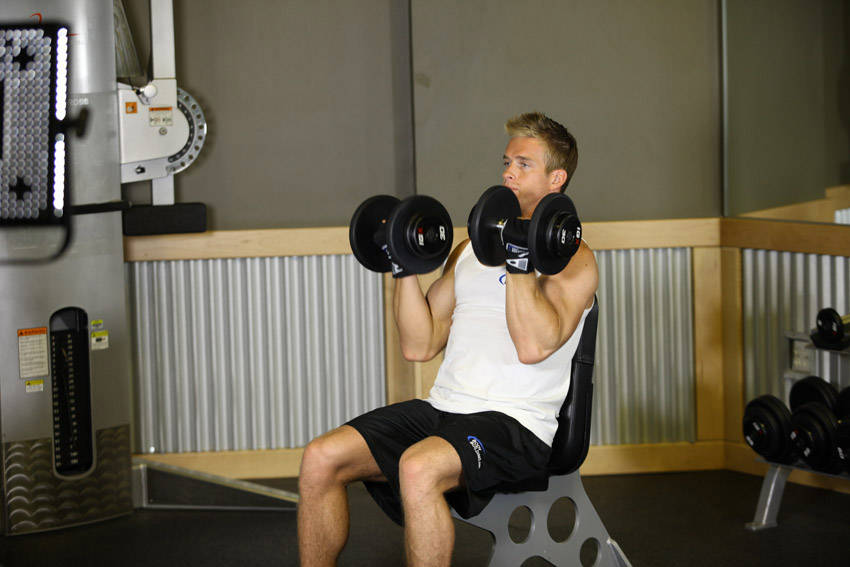
Arnold Press
The Arnold press is a shoulder press variant that combines rotation and strength. You train all three deltoid heads for massive, balanced shoulders.
Band Pull-Apart
Band pull-apart. Strengthens the rear delts and corrects rounded posture. Easy to do anywhere, no anchor needed.
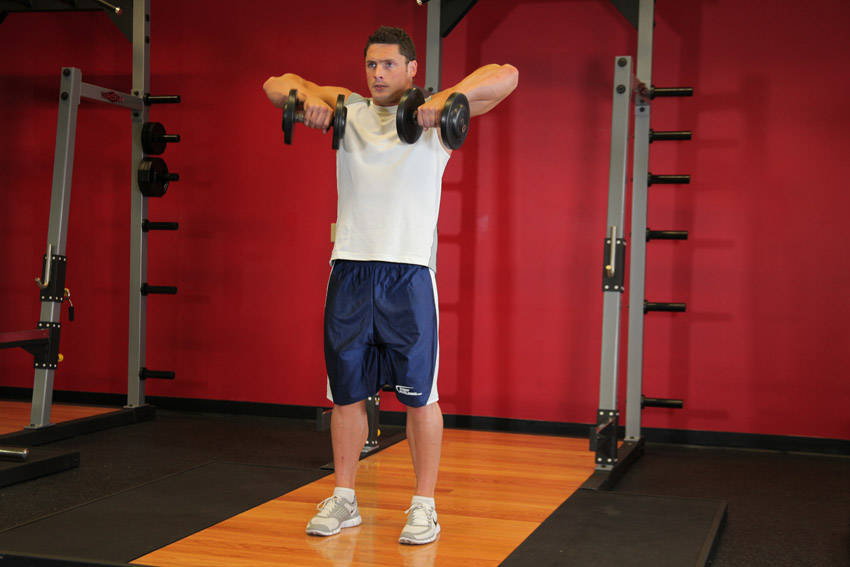
Barbell Upright Row
Compound shoulder + upper-trap. Lateral delts and traps in a vertical pull.
Cable Face Pull
The classic shoulder health movement (Jeff Cavaliere) : counters front/back imbalances from bench press. Do it every session.
Cable Lateral Raise
Same movement as dumbbells but with maximum tension at the bottom. Superior for the lateral delt.
Cable Rear Delt Fly
Isolates the rear delt with constant tension. Better alternative to bent-over reverse flys.
Dumbbell Front Raise
Front-delt isolation. Use sparingly: already stimulated by pressing movements.
Dumbbell Lateral Raise
Lateral-delt isolation for wide, structured shoulders.
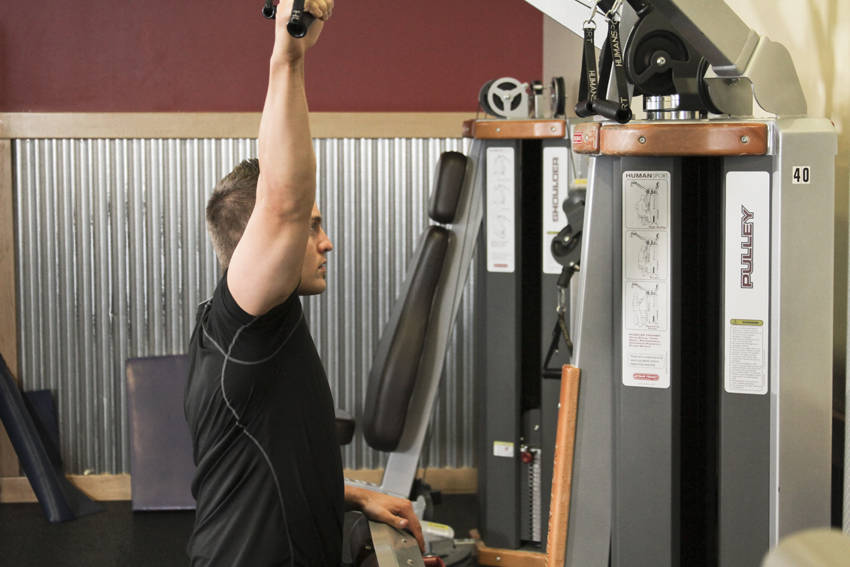
Face Pull
The face pull strengthens your rear delts and improves posture. It's the ideal exercise to balance the shoulders and prevent injury.
Face Pull
Shoulder health: rear delts, external rotators, mid traps.
Handstand Hold
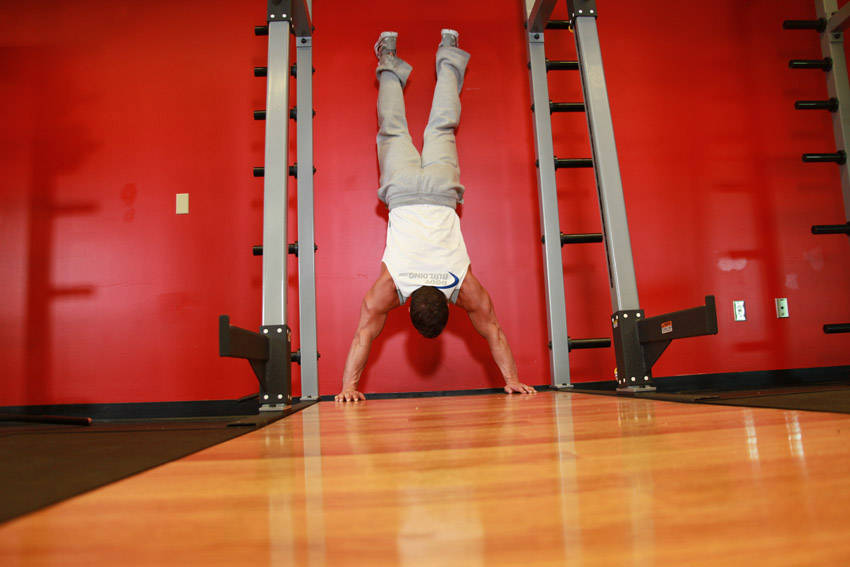
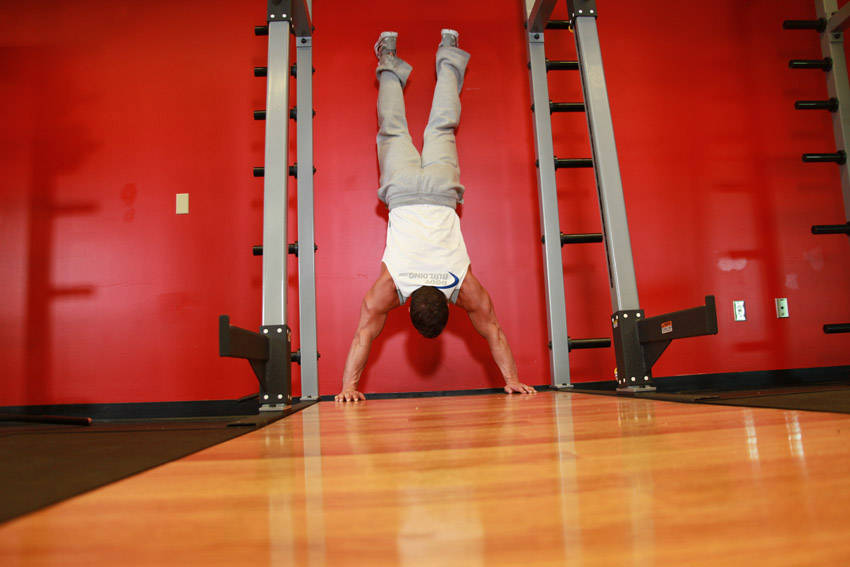
Hold a handstand in active push. This elite isometric builds exceptional shoulder strength and core stability.
Handstand Push-up
Push-up in a wall handstand that builds explosive shoulder power. The ultimate exercise to progress toward the free handstand.
Kettlebell Snatch
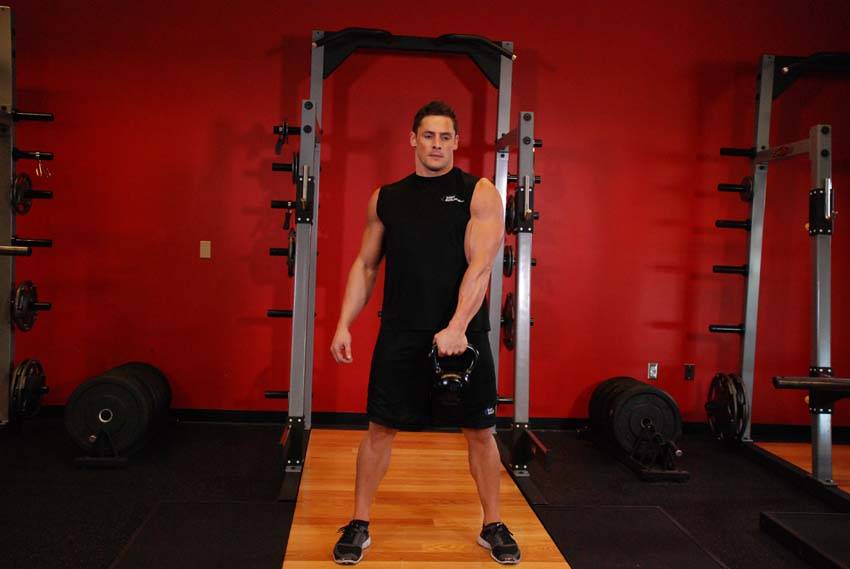
Explosive full-body movement: hip power plus shoulder stability. Staple of the snatch AMRAP test.
Landmine Press
Very shoulder-friendly pressing alternative: free arc path, less joint stress than strict overhead barbell press.
Pike Push-up
Vertical push-ups: prep work for the handstand. Hammers the shoulders.
Pike Push-ups
Pike push-ups target the shoulders by forming an inverted V with your body. Excellent progression toward the handstand push-up.
Pseudo Planche Push-ups
Advanced push-ups preparing for the planche. Huge load on the front delts and wrists.
Reverse Pec Deck
Very safe rear-delt isolation: essential for push/pull balance and postural health.
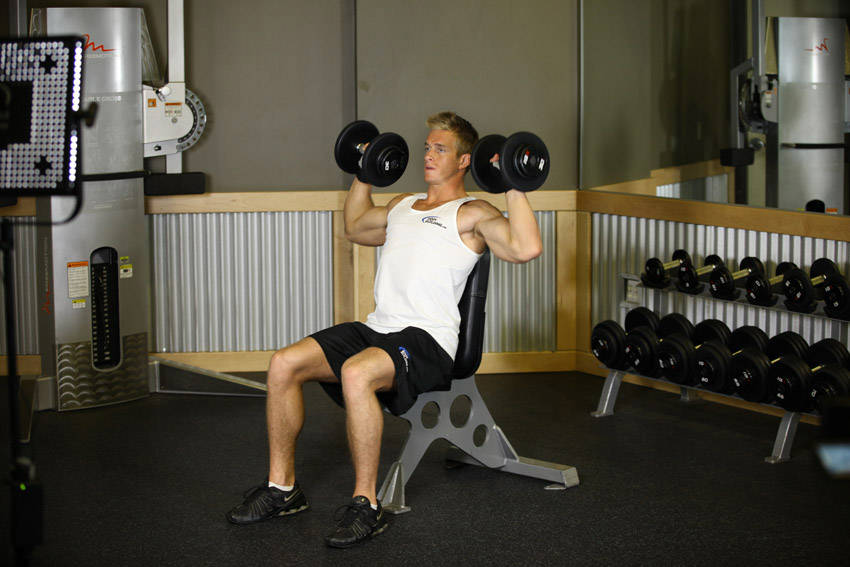
Seated Dumbbell Shoulder Press
Seated shoulder press with back support, very safe. Recommended over standing overhead press if you have lower-back issues.
Shoulder CARs
Shoulder Controlled Articular Rotations. Preserves full articular range and prevents impingement. Essential for lifters 50+ before any upper-body training.
Single-Arm Dumbbell Shoulder Press
Unilateral shoulder press. Anti-asymmetry and stronger core engagement.
Standing Overhead Press
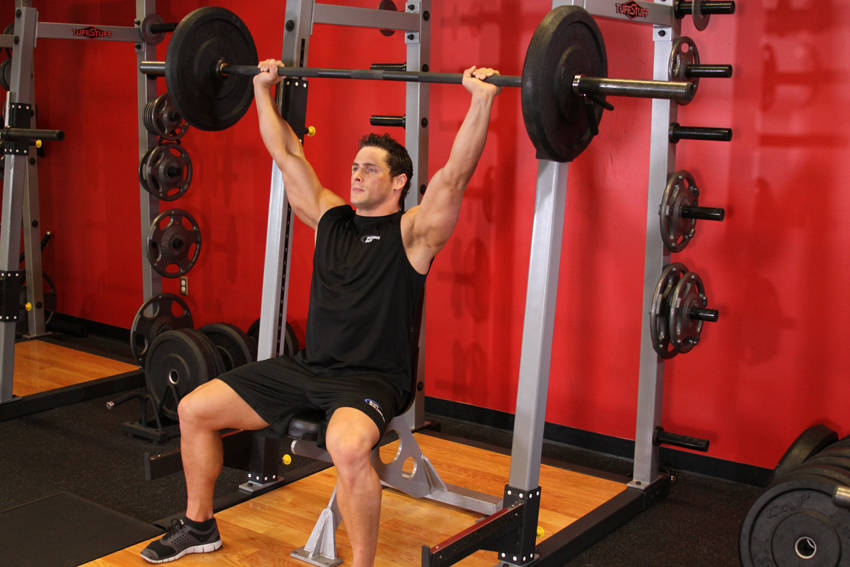
Standing overhead press: full-body bracing and overhead power. For intermediates and up.

Biceps

Triceps
Quads
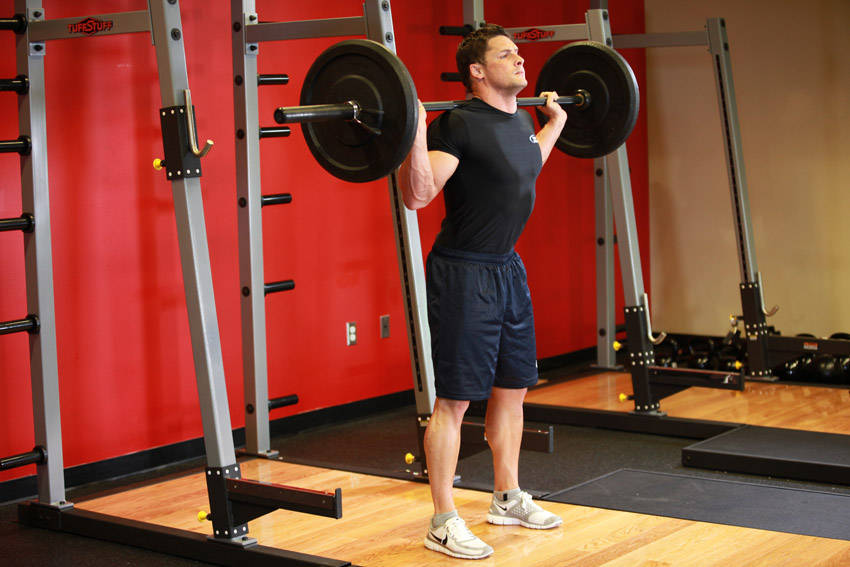
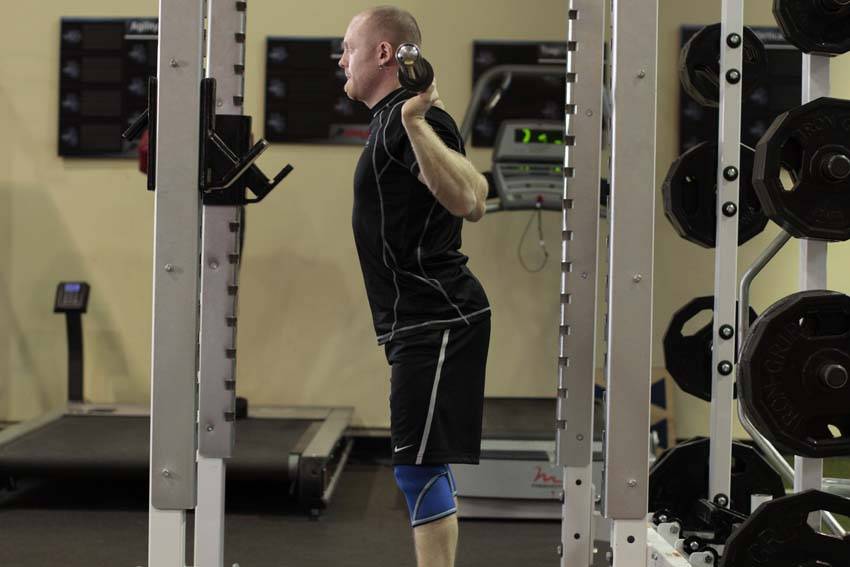
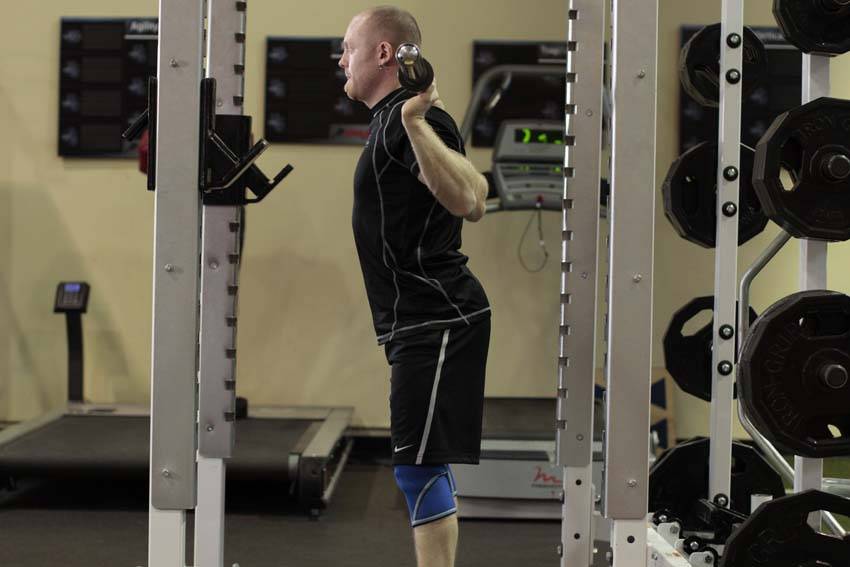
Barbell Back Squat
King of exercises: back barbell squat. Quads, glutes, hamstrings and core in a closed chain.
Bodyweight Lunges
Bodyweight lunges. Unilateral work for legs and balance.
Bodyweight Squat
Bodyweight squat. Learn the pattern, mobilize quads and glutes.
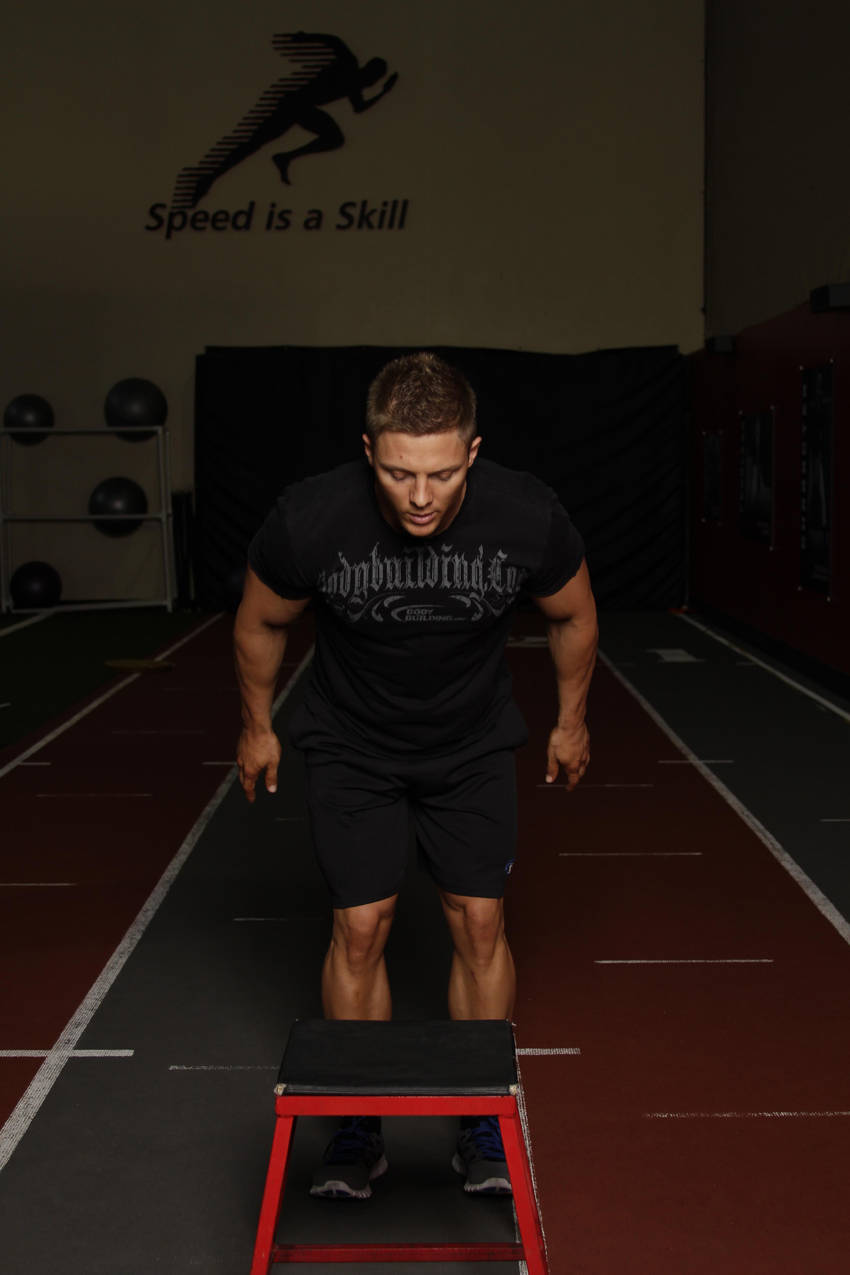
Box Jump
Builds explosive lower-body power. Best early in the session, fresh.
Bulgarian Split Squat
Demanding unilateral squat. Builds strength and stability of each leg independently.
Bulgarian Split Squat with Dumbbells
Loaded Bulgarian split squat. Quads, glutes and maximal unilateral stability.
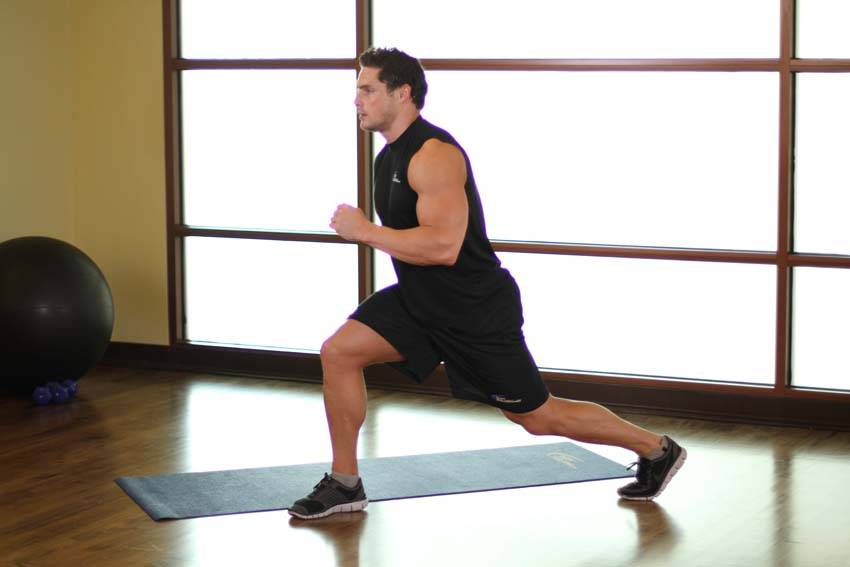
Forward Lunge
Forward lunges build quad strength and volume. A versatile exercise that also improves balance and stability.
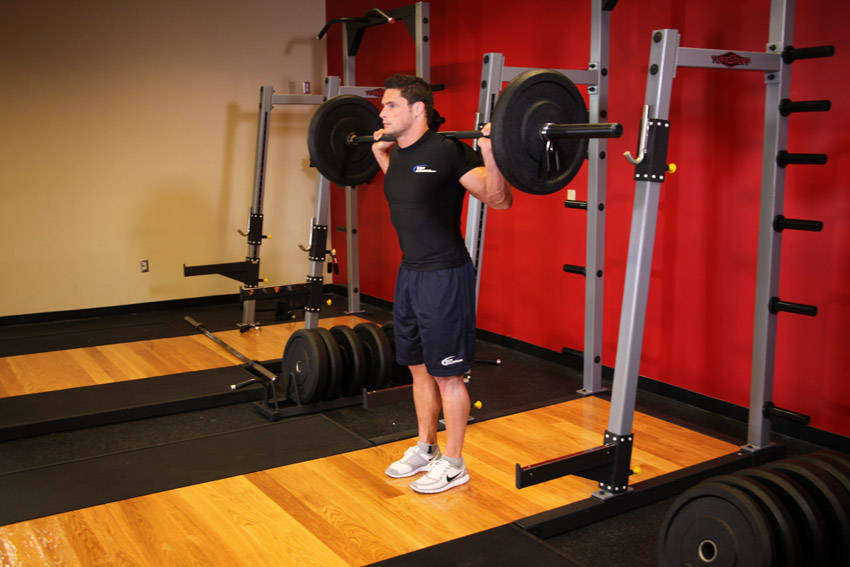
Front Squat
Quad-dominant squat: more vertical torso, less lower-back stress. Foundation for Olympic lifting (clean).
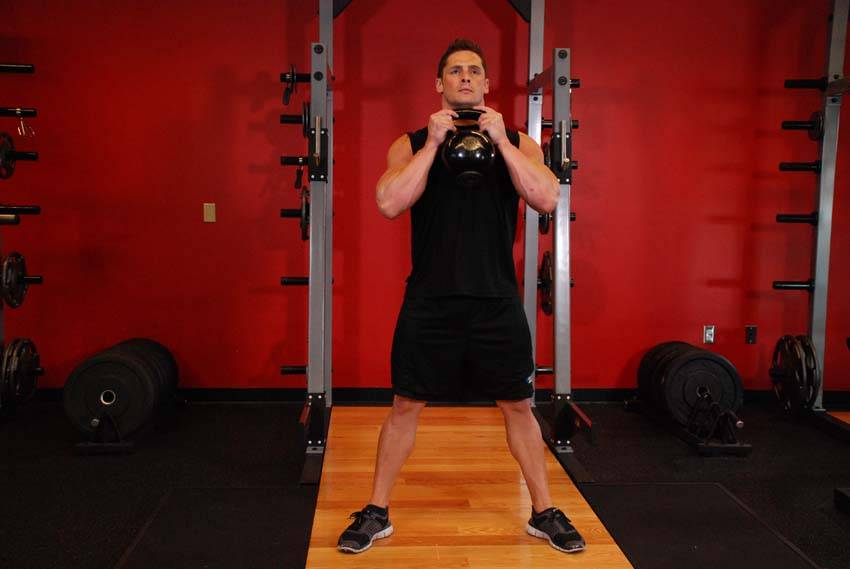
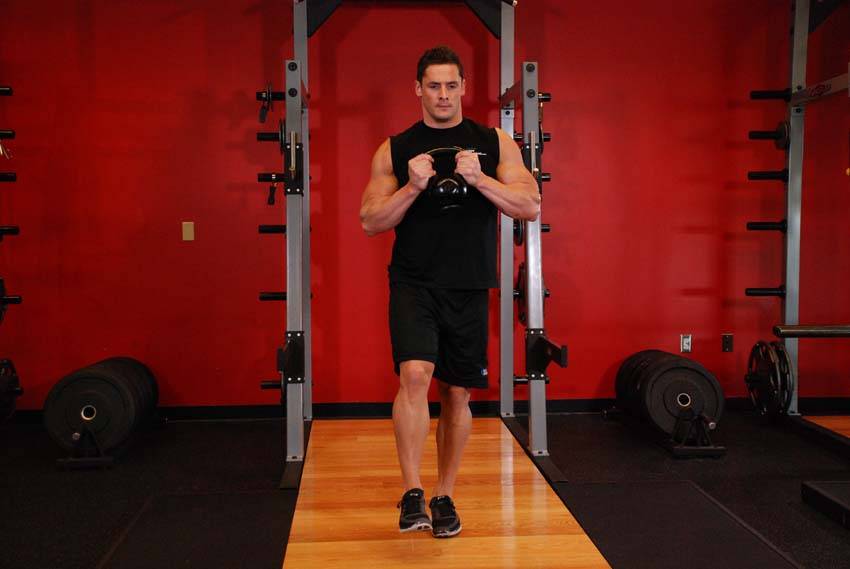
Goblet Squat
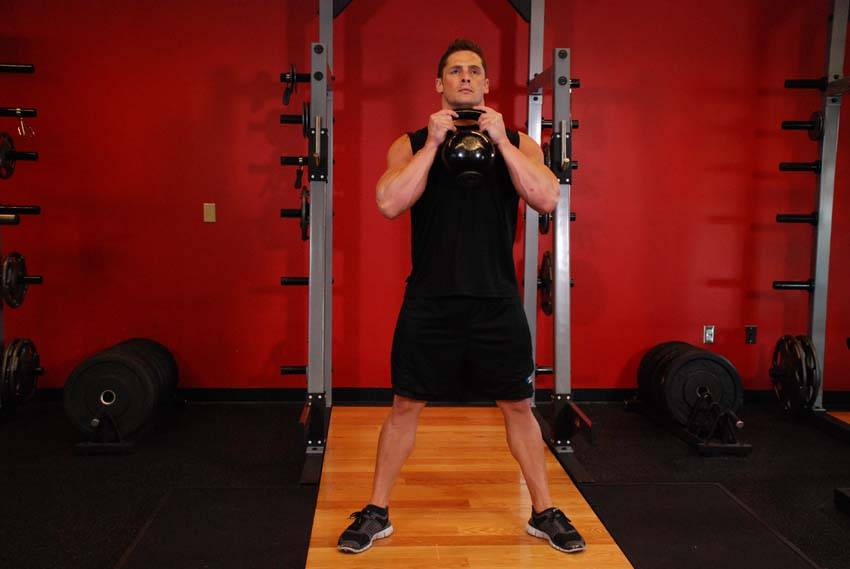
Loaded squat holding a dumbbell in front. Accessible and functional — ideal for learning the pattern.
Hack Squat
The hack squat is an excellent machine exercise to hit the quads hard. It provides muscle isolation without excessive stress on the back.
Hack Squat Machine
Guided quad-dominant squat : removes the lumbar constraint of back squat. Excellent for focused quad work in complete safety.
Heavy Sled Push
Hyrox standard: 152 kg men / 102 kg women over 50 m. Strength-endurance of the legs in a horizontal push.
Landmine Squat
Very safe squat alternative for beginners and lifters with limited mobility: vertical torso, spared lower back.
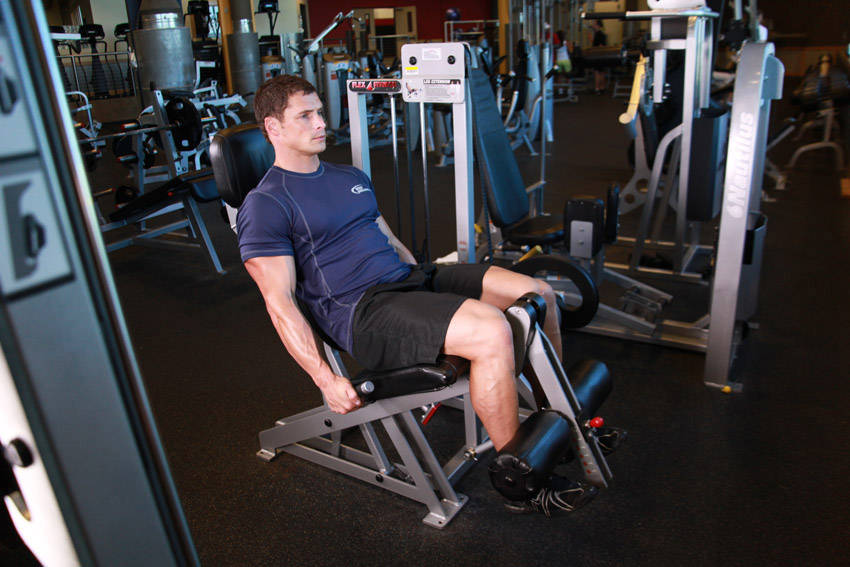
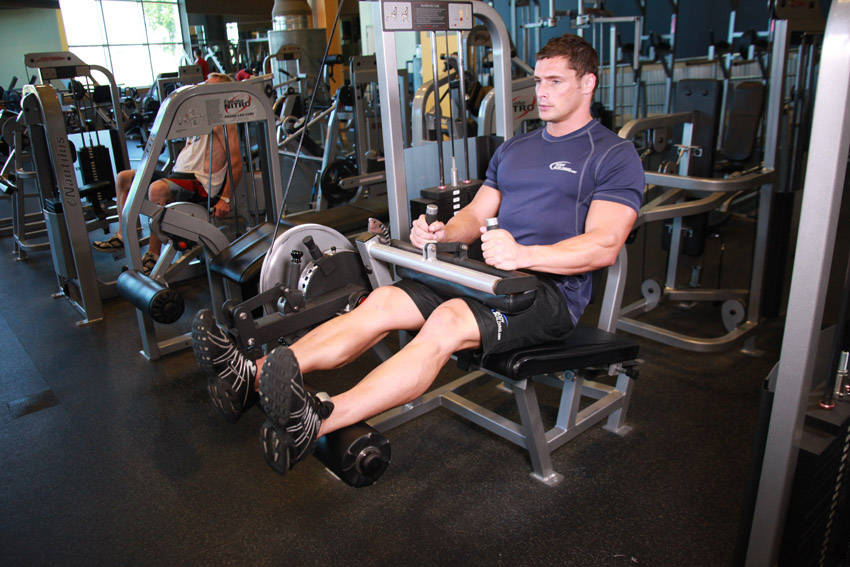
Leg Extension
Pure quadriceps isolation. Ideal as a finisher or for pre-fatigue.
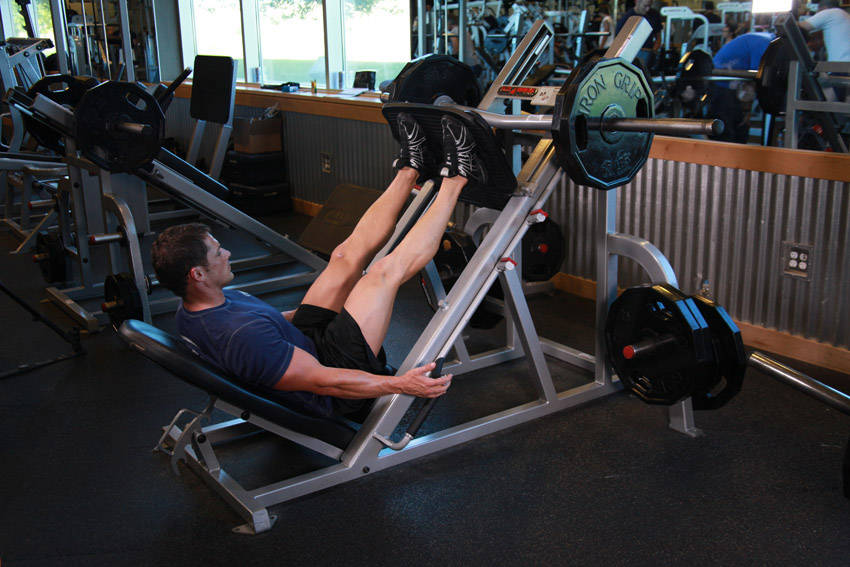
Leg Press
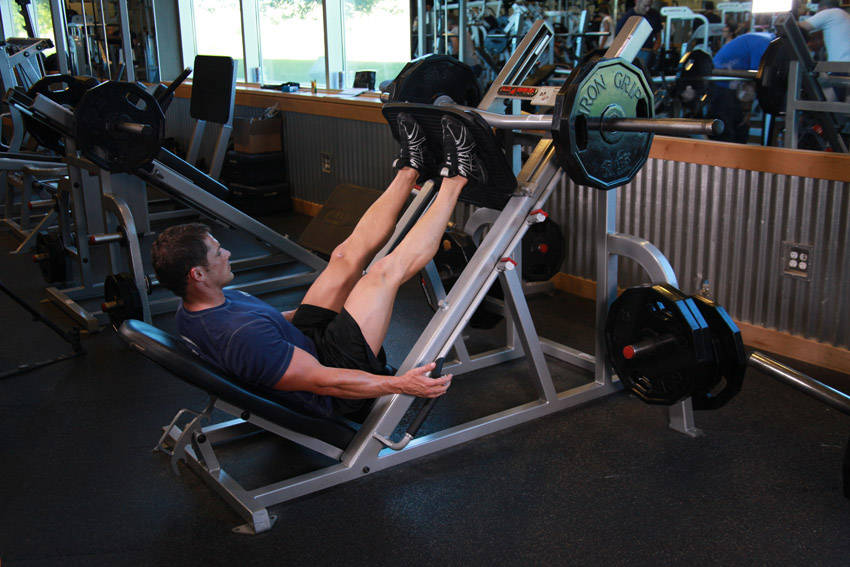
Guided leg press. Massive quads without axial spinal loading.
Paused Back Squat
Powerlifting variant: reinforces the bottom position of the competition squat. Removes the stretch reflex.
Pistol Squat
The pistol squat is a one-leg squat that builds exceptional strength and stability. It's the ultimate exercise for powerful quads.
Reverse Lunge
Step one foot back to hammer your quads. More stable than forward lunges, this exercise allows quick loaded progression.
Sit-to-Stand
Functional test and foundational exercise for seniors. Prevents falls. Progression: tall chair → low → no hands.
Step-up
Step onto a box driving through one leg to build your quads. Excellent for functional strength and asymmetry work.
Step-ups
Unilateral box step-up. Accessible and ideal for seniors and beginners.
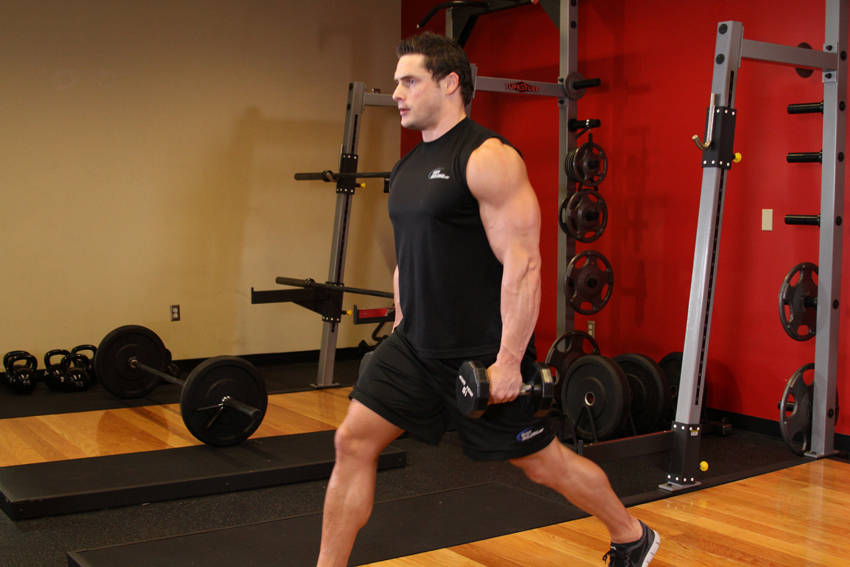
Walking Lunges
Walking lunges build quads dynamically. This exercise demands coordination and balance — ideal to finish the session.
Walking Lunges with Dumbbells
Loaded walking lunges. Demanding unilateral work for quads and glutes.
Wall Sit
You lean against a wall and hold a seated isometric to build the quads. An excellent no-equipment exercise for strength and endurance.
Zercher Squat
Elbow-carried squat: builds core and quads with no cervical stress. Popular in strongman training.

Hamstrings

Glutes
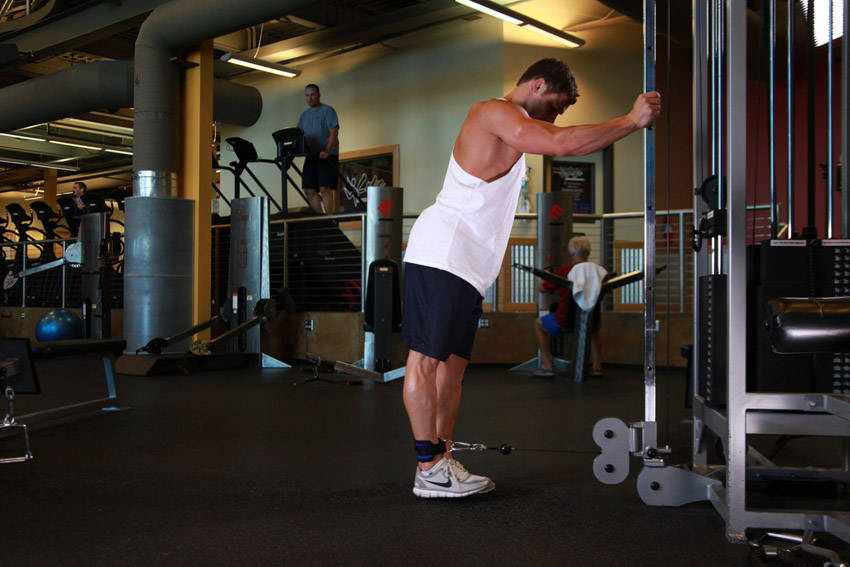
Band Glute Kickback
Band glute kickback. Isolates gluteus maximus and medius through hip extension. Excellent complement to hip thrusts for glute definition.
Band Hip Abduction
Band hip abduction: glute medius and TFL. Knee stability, prevents knee/hip pain. Essential complement to hip thrust.
Band Hip Thrust
Hip thrust with band. Maximum glute activation with progressive load and no heavy equipment. Ideal complement to bodyweight training.
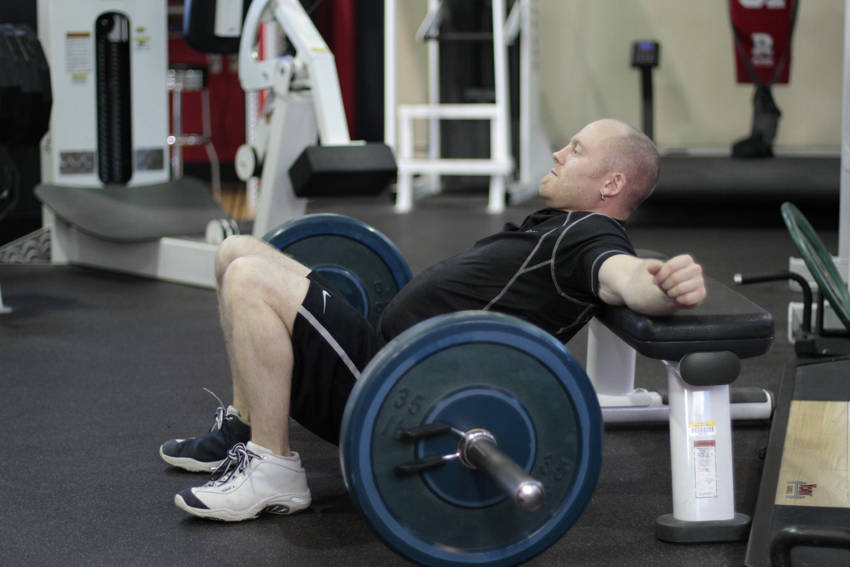
Barbell Hip Thrust
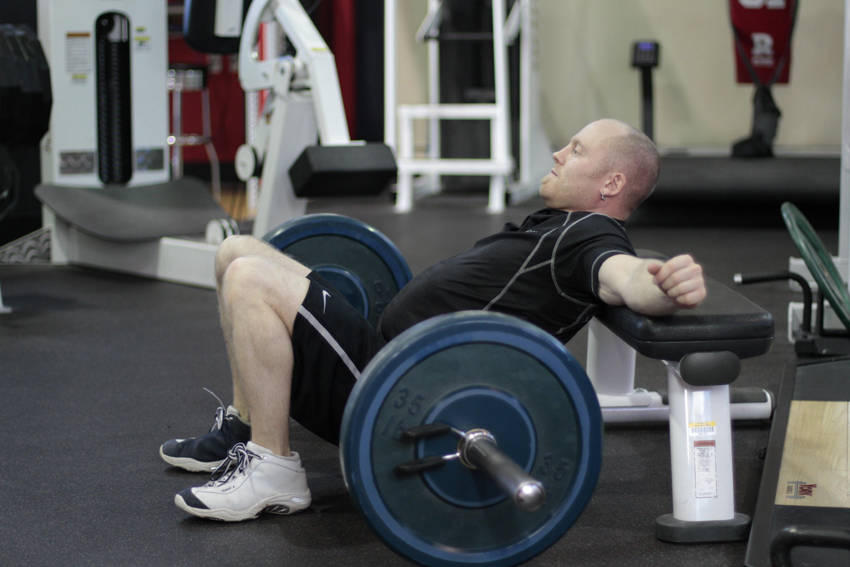
Reference for glute development. Maximum loaded hip extension.
Bodyweight Hip Thrust / Glute Bridge
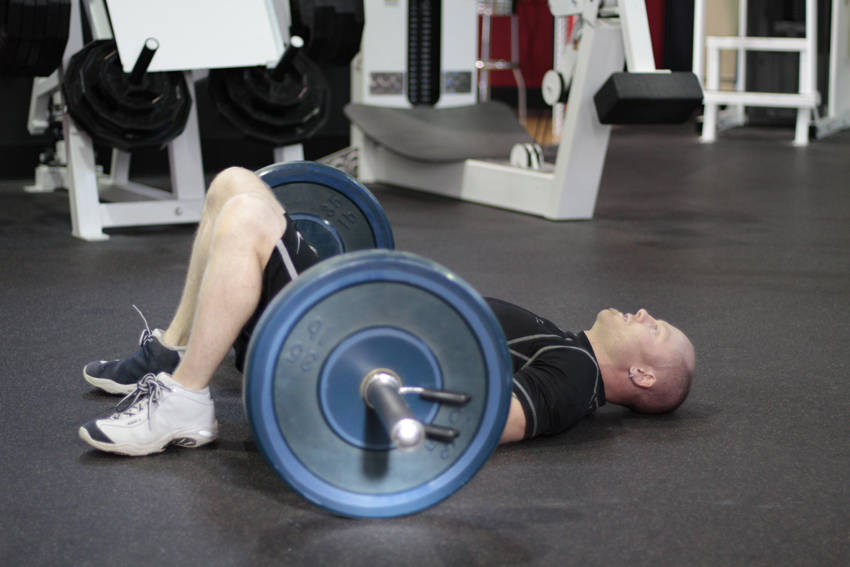
Bodyweight hip extension. Ideal for activating the glutes without external load.
Cable Glute Kickback
Cable glute kickback. Pure gluteus maximus isolation in extension.
Cable Hip Abduction
Glute medius isolation with constant tension: hero of glute programs. Corrects pelvic stability weaknesses.
Cable Pull-Through
Cable hinge. Ideal for learning the hip hinge and building glutes safely.
Dumbbell Curtsy Lunges
Unilateral lunge with rotation targeting the glute medius. Strong Curves signature move.
Dumbbell Glute Bridge
Classic bridge with load. Bootyful Beginnings starter. Natural progression before the barbell hip thrust.
Dumbbell Sumo Squat
Loaded sumo squat. Targets the adductors and glutes, opens the hips.
Frog Pump
Pure glute isolation (gluteus maximus and medius). External hip rotation maximizes recruitment.
Glute Bridge
The glute bridge directly hits your glutes to strengthen and build them. A must for improving strength and shape.
Glute March
Targeted glute activation. Essential warm-up before Strong Curves lower-body sessions.
Hip Abduction Machine
Glute-medius isolation. Strengthens the abductors and pelvic stability.
Hip Thrust Machine
Simplest glute isolation: quick setup, no barbell to load. Perfect for high-volume glute work.
Lateral Walks with Dumbbells
Lateral walk in a low position. Activates the glute medius and stabilizes the pelvis.
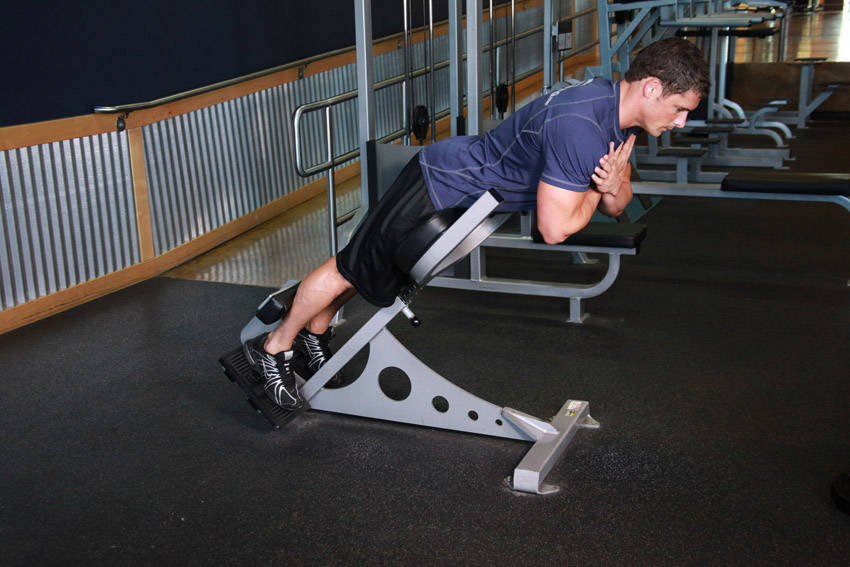
Reverse Hyperextension
Developed by Louie Simmons (Westside Barbell): lumbar decompression plus glute/hamstring activation without spinal loading.
Russian Kettlebell Swing
Explosive posterior-chain swing. Excellent for metabolic conditioning and glute development.
Single-Leg Glute Bridge
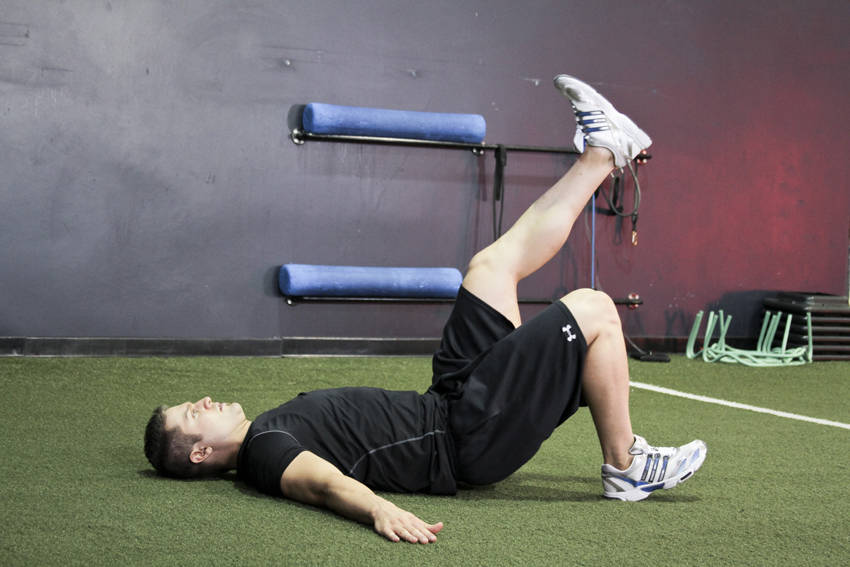
Single-leg glute bridge. Targets each glute independently — anti-asymmetry.
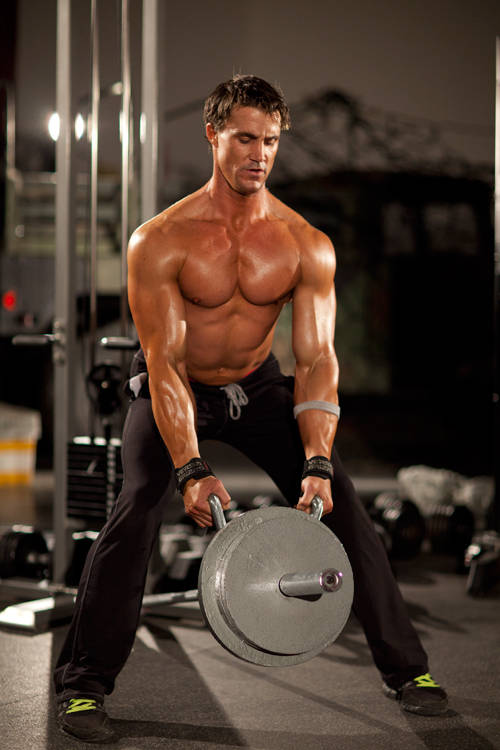
Trap Bar Deadlift
Best deadlift for beginners: more vertical torso, weight centered. Recommended for lifters with fragile lower backs.

Core

Ab Wheel Rollout
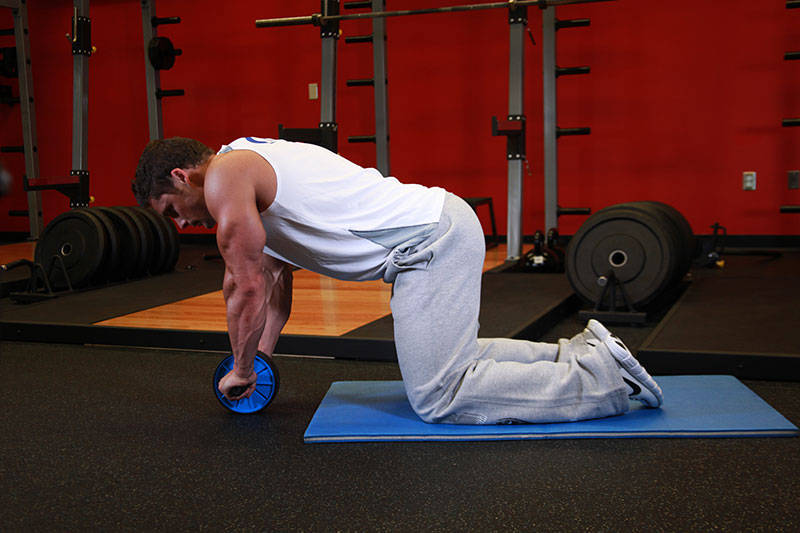
Dynamic anti-extension. One of the most effective ab exercises.
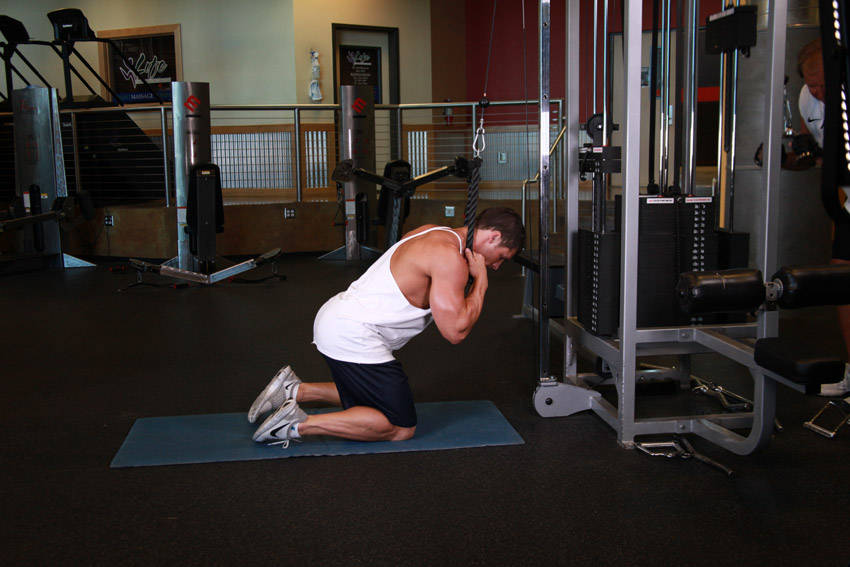
Cable Crunch
The only ab exercise that allows real progressive overload via the cable stack.
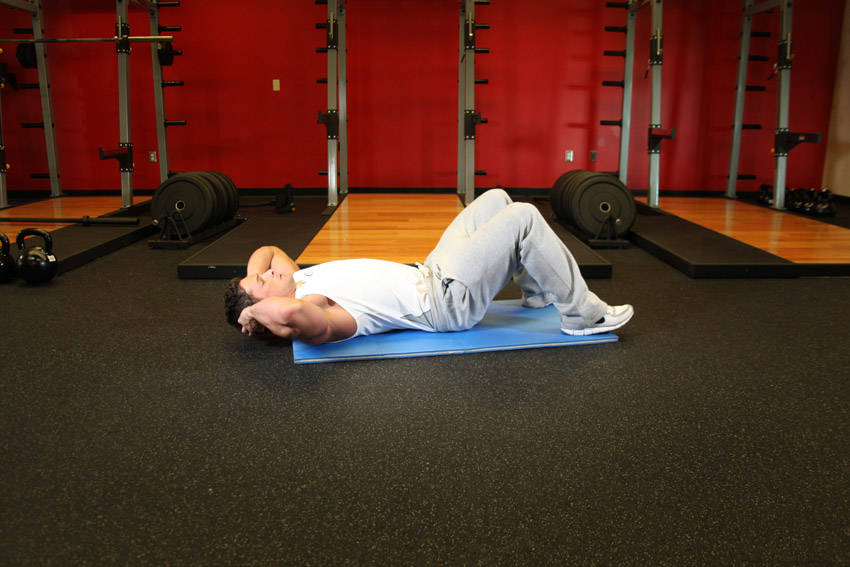
Crunch
Classic ab crunch. Targets the rectus abdominis in controlled flexion.
Dead Bug
Fundamental anti-extension for the low back. Coordination and core stability work.
Farmer's Carry
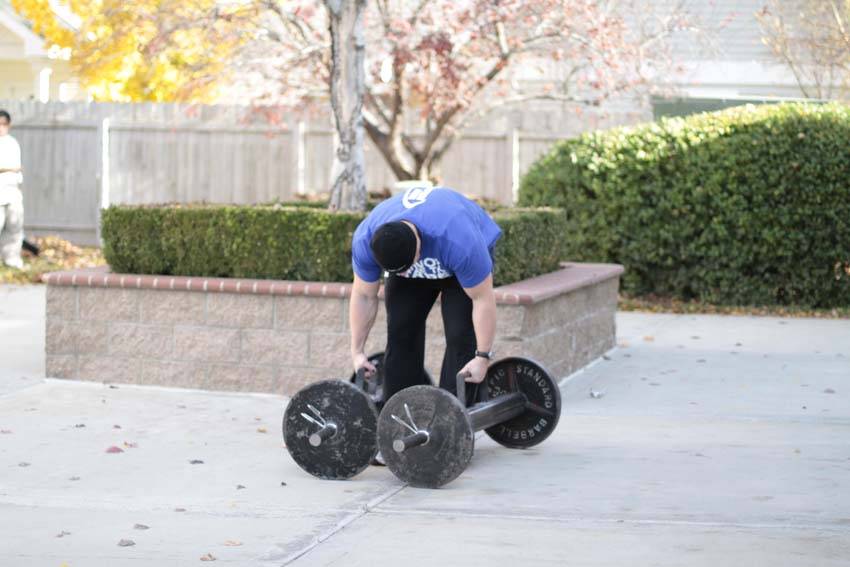
Farmer's walk. Full-body strengthening: grip, bracing, posture.
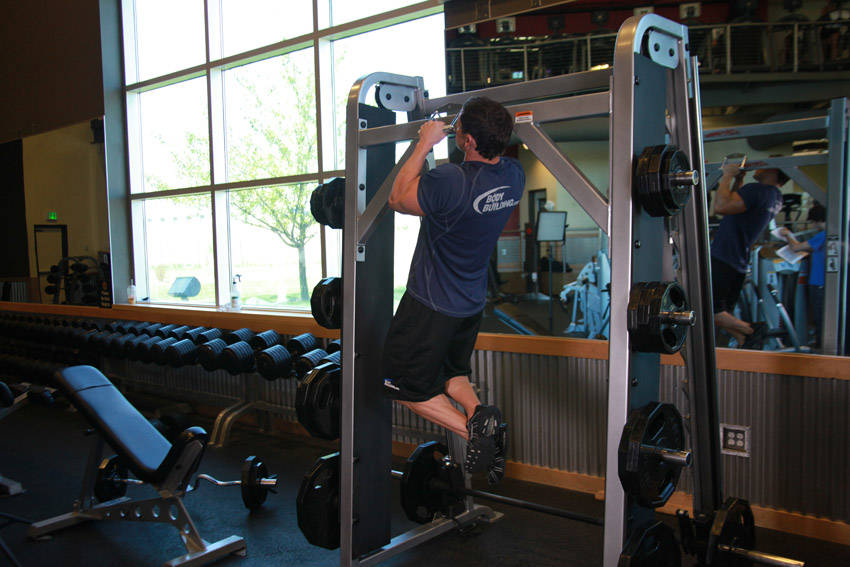
Hanging Knee Raise
Accessible version of the hanging leg raise. Progression toward straight legs.
Hanging Leg Raise
The toughest loaded ab exercise. Grip strength + deep abs.
Hollow Body Hold
You hold an isometric hollow position — concave body with a flat back. Builds deep core and overall stability.
L-sit
Master the ultimate calisthenics isometric: hold your body horizontal on parallel bars or rings, legs straight. A raw core and triceps strength test.
Landmine Rotation
Athletic trunk rotation: builds obliques and rotational stability for field sports and golf.
Mountain Climbers
Dynamic cardio-core. Mobilizes hips, engages core and raises heart rate.
Plank
Isometric front plank. Anti-extension for the low back — foundation of motor control.
Russian Twist
Dynamic oblique rotation. Complement to plank work for the obliques.
Side Plank
Isometric side plank. Targets the obliques and trunk stabilizers.
Side Plank
The side plank heavily strengthens obliques and core stabilizers. A must for a complete, functional core.
Single Leg Balance Eyes Closed
Advanced balance progression. Vestibular system + proprioception. Stand near support for safety.

Calves

Popular biomechanical alternatives

For every exercise, ForgeSport references its biomechanically equivalent substitutions: same primary muscle, same working angle, same force-curve profile. Handy when equipment is missing or when a joint is complaining.

A program built around these exercises

ForgeSport builds a personalized program around your favorite lifts, with automatic alternatives when equipment is missing.

Start free